
This is an opinion column by Dr. Micheal Levesque , a oncologist at Niagara Health, originally published in the Niagara dailies.
Two cancers, two different populations, one common message: Pay attention to your body.
Ovarian and prostate cancers tend to affect different types of people, but in both, awareness can make a real difference.
September is recognized for both ovarian cancer and prostate cancer awareness. While these diseases affect different populations, they share an important challenge: the early warning signs can be easy to miss.
Ovarian cancer affects women because it develops in the ovaries. Prostate cancer affects men because it develops in the prostate gland. Together, they impact thousands of Canadians every year. The good news is that advances in diagnosis and treatment continue to improve outcomes, particularly when concerns are investigated early.
One of the most important messages I share with patients is simple: know what is normal for your body and pay attention when something changes.
Ovarian cancer can be particularly difficult to detect because its symptoms are often vague. Many women experience bloating, abdominal discomfort or changes in bowel habits at some point in their lives.
The challenge is recognizing when these symptoms are persistent, unusual or worsening.
Possible signs of ovarian cancer include ongoing bloating, pelvic or abdominal pain, feeling full quickly when eating, increased urgency or frequency of urination, unexplained fatigue and changes in bowel habits. These symptoms do not automatically mean cancer, but if they continue for several weeks or represent a noticeable change, they should be discussed with a health-care provider.
Prostate cancer presents a different challenge. In its early stages, it often causes no symptoms at all. Many men feel completely well when the disease is first detected.
When symptoms do occur, they may include difficulty starting or stopping urination; a weak urine stream; needing to urinate more often, particularly at night; blood in the urine; and discomfort in the back, hips or pelvis.
Again, these symptoms can be caused by many conditions other than cancer. However, they should not be ignored.
For men, it’s important to talk with a family physician or nurse practitioner about personal risk factors and whether screening is appropriate. Age, family history and other factors can influence risk.
The reality is that many people put off seeking medical advice because they’re busy, worried about what they might hear or hope symptoms will disappear on their own. We see this often. But getting symptoms checked doesn’t mean you have cancer. It means you’re taking your health seriously.
For those who do receive a diagnosis, cancer care today looks very different than it did even a decade ago. Treatments are becoming more precise, more personalized and often more effective than in the past.
Here in Niagara, patients have access to comprehensive cancer care close to home through the Walker Family Cancer Centre at Niagara Health.
The centre serves patients across the region. It offers systemic therapies such as chemotherapy, immunotherapy and targeted treatments, as well as radiation therapy, supportive care services, symptom management, psychosocial support, nutrition services and palliative care.
Care is provided by a multidisciplinary team and includes oncologists, nurses, pharmacists, social workers, dietitians and many other specialized health-care professionals.
Having access to these services within Niagara means patients can receive treatment, support and followup care closer to their families, friends and communities.
Cancer affects not only patients but also the people who care about them. That’s why awareness matters. It helps people recognize potential warning signs, seek medical attention sooner and have informed conversations about their health.
Whether the message is for women learning about ovarian cancer or men learning about prostate cancer, the takeaway is the same.
Listen to your body. Don’t dismiss persistent symptoms. Ask questions. Have regular conversations with your health-care provider.
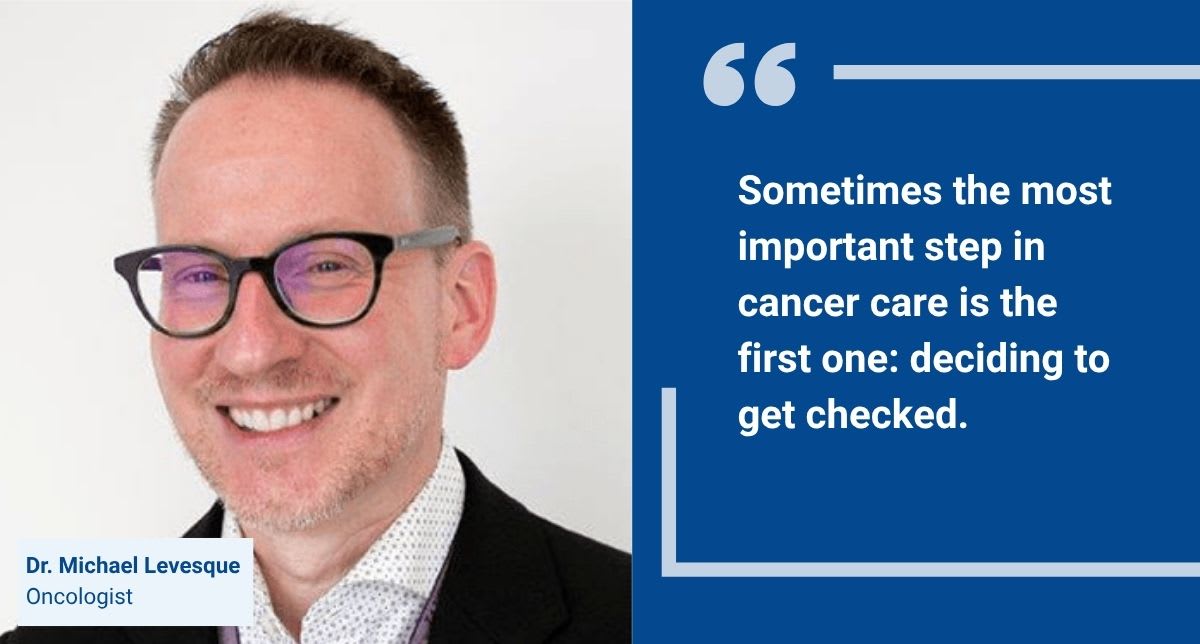
Sometimes the most important step in cancer care is the first one: deciding to get checked.
