
This is an opinion column by Micaela Grant, a communications and engagement specialist, originally published in the Niagara Dailies.
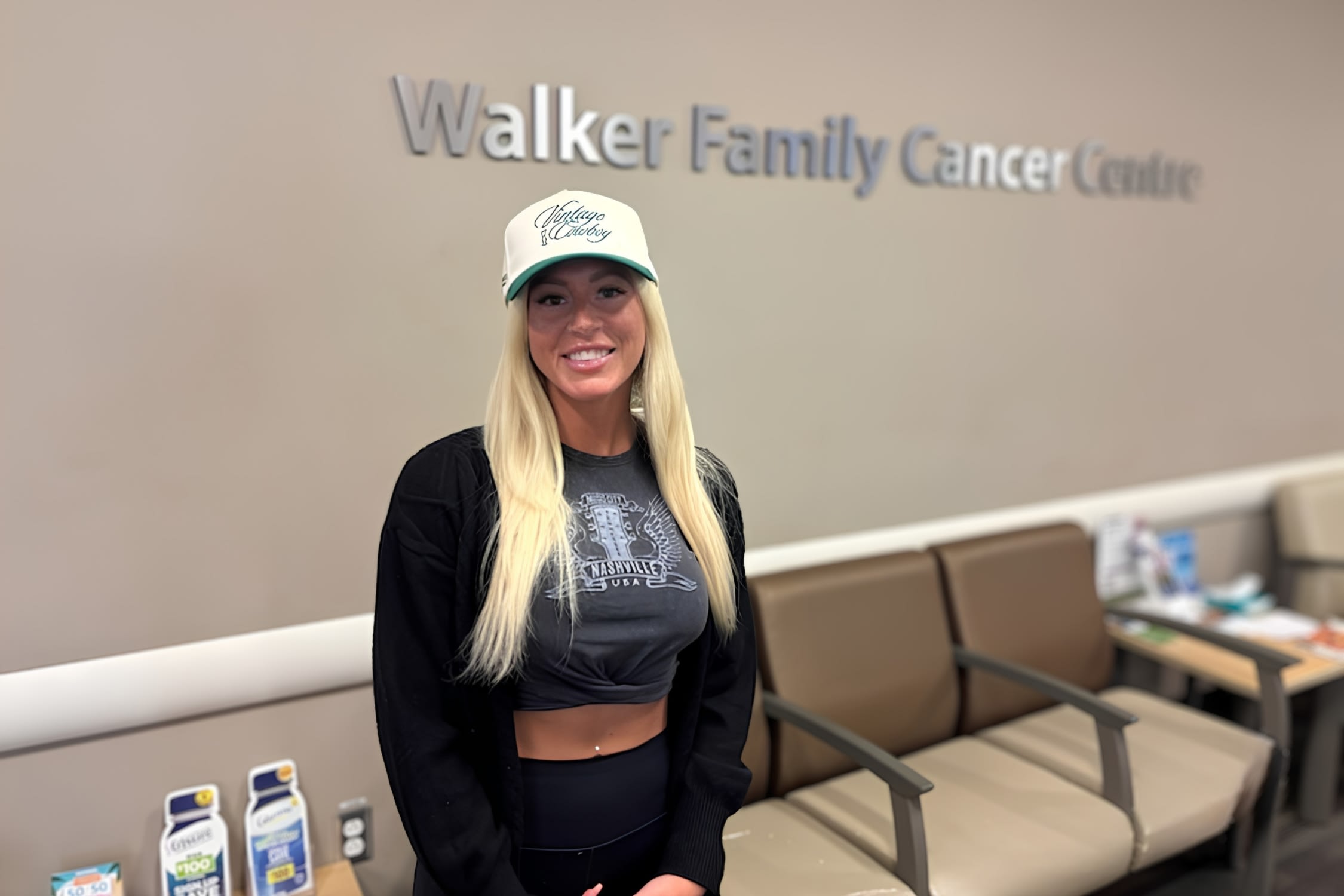
There was nothing about Mickayla Beyer's life that suggested cancer.
At 29, the St. Catharines resident was building a successful career, travelling whenever she could and spending time in the gym. She considered herself to be in the best shape of her life.
That's why being diagnosed with Stage 3 triple-positive breast cancer came as such a shock.
"I don't think anything can prepare you for hearing those words," Beyer says. "Your entire future suddenly feels uncertain."
The diagnosis came nearly a year after she first noticed a lump in her breast. When Beyer found the lump in November 2024, she sought medical advice and underwent testing. At the time, the findings did not indicate a need for further investigation. But as the months passed, the lump continued to grow.
By September 2025, it had become large enough to interfere with the movement of her arm, prompting further testing through Niagara Health's Breast Cancer Screening Clinic.
Within weeks, Beyer found herself navigating fertility preservation procedures, followed by chemotherapy, a reality she never expected to face before turning 30.
"Your whole life flashes before your eyes," Beyer recalls. "You question whether you're going to beat it."
Soon after came chemotherapy, followed by a double mastectomy, radiation and ongoing targeted therapy.
"It was chaos," says Beyer. "There were times I would look in the mirror and not recognize the person staring back at me.”
Through it all, Beyer leaned heavily on her faith, family and friends. Their support helped carry her through some of the most difficult days of treatment.
But she also made a conscious decision about how she wanted to face her diagnosis.
Rather than putting her life on hold, Beyer remained focused on maintaining as much normalcy as possible. She continued working throughout treatment and stayed physically active whenever she could. Just days after surgery, she was back at the gym.
"My doctors have told me part of the reason I've bounced back as quickly as I have is because I never stopped moving," she says.
Following chemotherapy and surgery, pathology results showed a near complete response to treatment, with less than two per cent of cancer cells remaining. While she continues receiving targeted therapy and has upcoming reconstruction procedures, hearing that her treatment had been successful was a moment she will never forget.
"It took awhile to process that it was gone," she says. "Honestly, it took awhile to process that it was there in the first place."
The experience reinforced the importance of trusting herself and continuing to ask questions when something didn't feel right.
"You know your body better than anybody else," she says. "If something doesn't feel right, ask the questions. Get the second opinion. Keep pushing until you get answers."
October is Breast Cancer Awareness Month, a global campaign that raises awareness about the impact of the most common cancer affecting women in Ontario. One in eight women will develop breast cancer in their lifetime. While breast cancer remains one of the most commonly diagnosed cancers, regular screening remains the most effective way to detect the disease early, when treatment has a higher chance of being successful.
In fact, a screening mammogram takes about 15 minutes.
The Ontario Breast Screening Program (OBSP) is a province-wide screening program that provides screening for most people aged 40 to 74, as well as people aged 30 to 69 who meet high-risk eligibility criteria.
Earlier access to screening became available this year when Ontario lowered the self-referral age for mammograms from 50 to 40. Eligible women can book a mammogram without a referral from a primary care provider.
To help make screening even more convenient, Niagara Health's Ontario Breast Screening Program recently launched Verto, an online self-booking platform that allows eligible patients to book, reschedule or cancel screening mammogram appointments online.
"Breast cancer doesn't always come with warning signs,” says Daisy Trojanowski, Manager of Diagnostic Imaging at Niagara Health. “That's why regular screening is so important. It can detect cancer before symptoms appear and help connect patients with treatment earlier, when outcomes are often better."
Niagara Health operates three full-service Ontario Breast Screening Program Centres (OBSP) and Assessment Clinics in Niagara Falls, St. Catharines and Welland. Patients can book online through Verto or call OBSP to schedule an appointment.
For residents who face barriers accessing care, the Mobile Cancer Screening Coach travels throughout the region, bringing breast, cervical and colon cancer screening services closer to communities that are under-screened.
Getting a mammogram may be easier than you think.
Eligible patients can book their screening directly, without a referral from a primary care provider.
1. Book online at a Niagara Health OBSP clinic using Verto
2. Call the clinic directly:
- Welland Hospital: 905-732-5434
- Niagara Falls Hospital: 905-358-4952
- Marotta Family Hospital: 905-378-4647
3. Visit the Mobile Cancer Screening Coach website to see their schedule and book an appointment close to home.
Breast cancer is often associated with older adults, but Beyer's experience serves as a reminder that younger women can be affected as well.
While cancer changed her life in ways she is still navigating, it never became the centre of it.
"Keep living your life," she says. "Cancer is part of my story, but it's not the whole story."
