
Every day across Niagara Health, staff identify opportunities to make care safer, improve patient experiences and streamline how services are delivered. To help turn those ideas into measurable improvements, Niagara Health has launched it’s Quality Improvement (QI) Academy.
The Academy equips participants with the skills, tools and support needed to lead improvement projects across the organization, helping build a culture of continuous improvement.
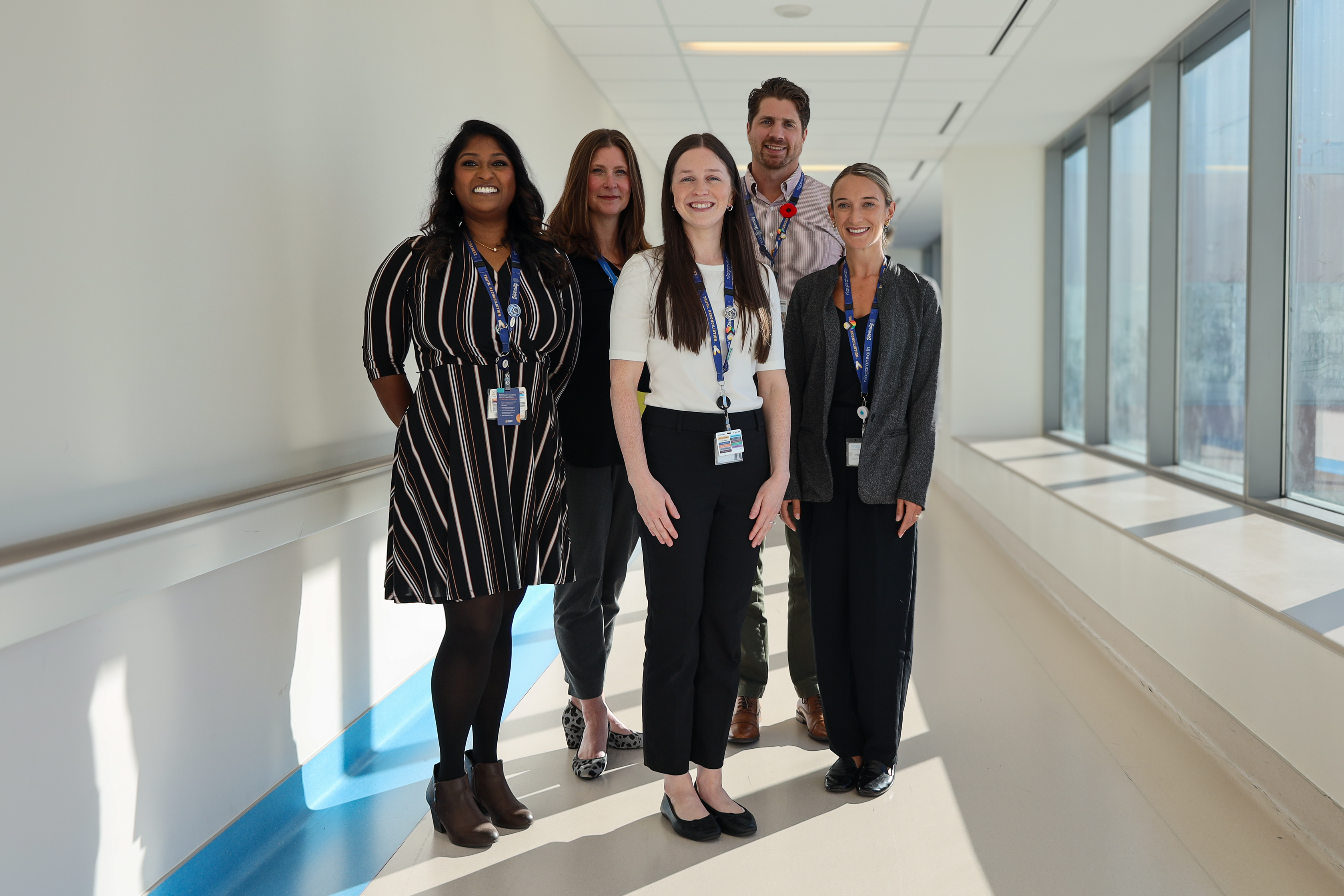
"The program combines formal education, coaching and hands-on project work to translate learning into practice," says Caitlin Muhl, Quality and Patient Safety Specialist and one of the team members who was a driving force behind the Academy.
The Academy was born from a simple but powerful idea: the people closest to the work are often best positioned to improve it. Participants tackle a wide range of complex challenges, from medication safety and delirium screening to Mental Health Act processes and ICU best practices. Along the way, they learn how to build teams, engage interested and affected parties, use data effectively and navigate organizational change.
"Our frontline staff are the ones who see the challenges and opportunities in the work and often have innovative ideas on how things could be done better," says Madelyn Law, Director, Quality and Patient Safety.
Developed by the Quality, Patient Safety and Risk team, the Academy is giving frontline staff and clinical leaders the practical skills, knowledge and confidence to become quality improvement champions.
"We wanted participants to bring forward real improvement opportunities from their teams and work through an immersive improvement journey," says Brandon Batey, Manager, Quality and Patient Safety. "The goal is to give staff the confidence, skills and tools to identify improvement, test ideas, measure results and improve the experience of both patients and care teams."
The inaugural cohort will graduate today, Nov. 10.
Launched as a pilot program, the Academy combines biweekly classroom sessions led by Quality and Patient Safety Specialists Caitlin Muhl, Deline Anthonypillai and Anna Boric with one-on-one mentorship from the entire Quality and Patient Safety team.. Participants apply what they learn to real-world projects, moving beyond theory and into action.
"I have learned that it’s important to take a step back to fully understand and evaluate the problem before jumping to solutions," says Monique Dhand-Fajta, ICU Educator. "The program reinforced the need to engage the right team members, use data to your advantage and measure outcomes to demonstrate meaningful improvement over time."
Others have found value in the collaboration that emerges across disciplines.
"One of the things I value most is the collaborative learning environment," says Kim Bowen, Clinical Nurse Specialist, Medication Safety. "There is an opportunity to learn not only from the facilitators, but also from healthcare professionals who shared both the strengths and challenges of their own quality improvement journeys."
"All of this has led to better care for our patients,” says Lea Slongo, Advanced Practice Nurse in Mental Health and Addictions.
The value of the QI Academy is not in introducing quality improvement concepts for the first time, but in expanding and formalizing existing knowledge. Pre- and post-program assessments show significant gains in participants' confidence in identifying improvement opportunities, developing aims, measuring outcomes, analyzing data and leading change initiatives.
"We have seen tremendous growth in participants over the course of the program," says Muhl.
The success of the first graduating class has already generated strong interest across NH, with several programs incorporating participation in future cohorts of the Academy into their operational plans.
"When staff are equipped with the skills to identify opportunities and implement evidence-informed improvements, patients ultimately benefit from safer care, better experiences and improved outcomes,” says Batey.
For the graduates, it's about building the skills and confidence to create lasting change.
"When we are empowered to be curious in our practice and to try new things, patients and teams benefit," says Julie Rubel, Geriatrics Clinical Nurse Specialist.
As Niagara Health celebrates its first graduating class, the Academy stands as a reminder that meaningful change sometimes starts with a question, a challenge and a group of people willing to learn how to make things better.
"Our hope is that one person becomes like a drop in the water that creates a ripple effect," says Law. "They can inspire others, champion innovation and help build excitement around quality improvement."
Meet the graduates
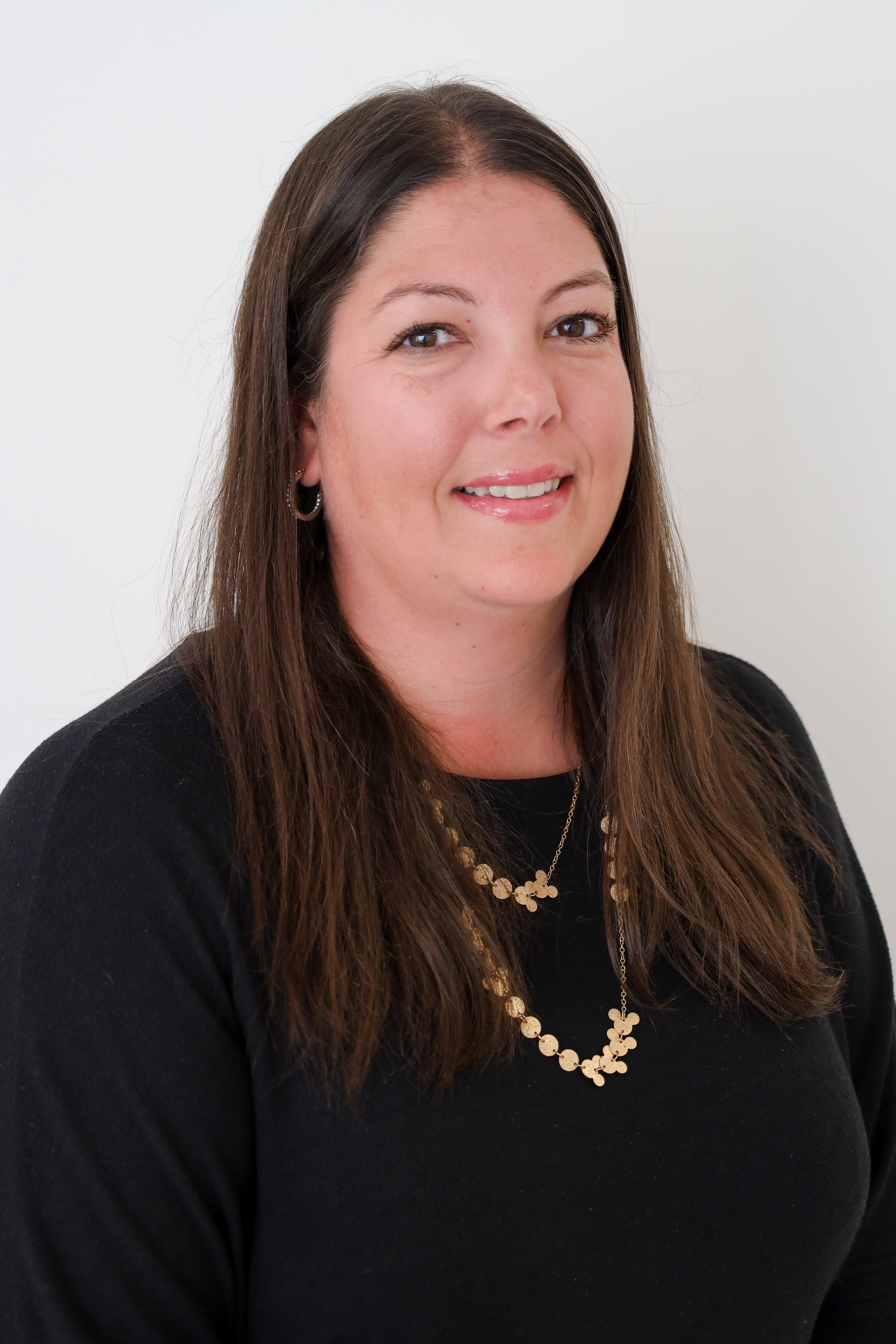
Kim Bowen, Clinical Nurse Specialist,
Medication Safety

Monique Dhand-Fajta, ICU Educator
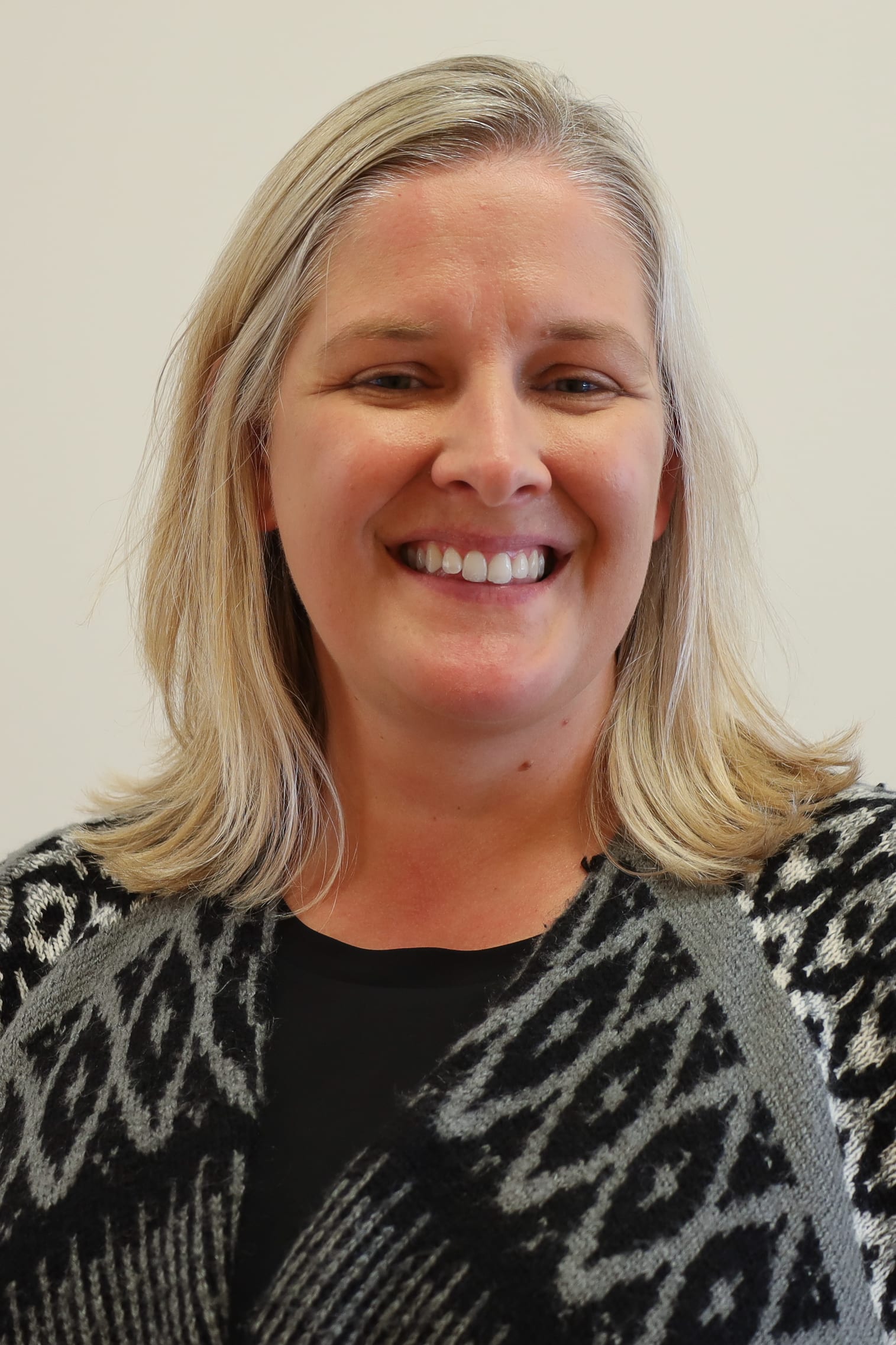
Julie Rubel, Geriatrics Clinical Nurse Specialist
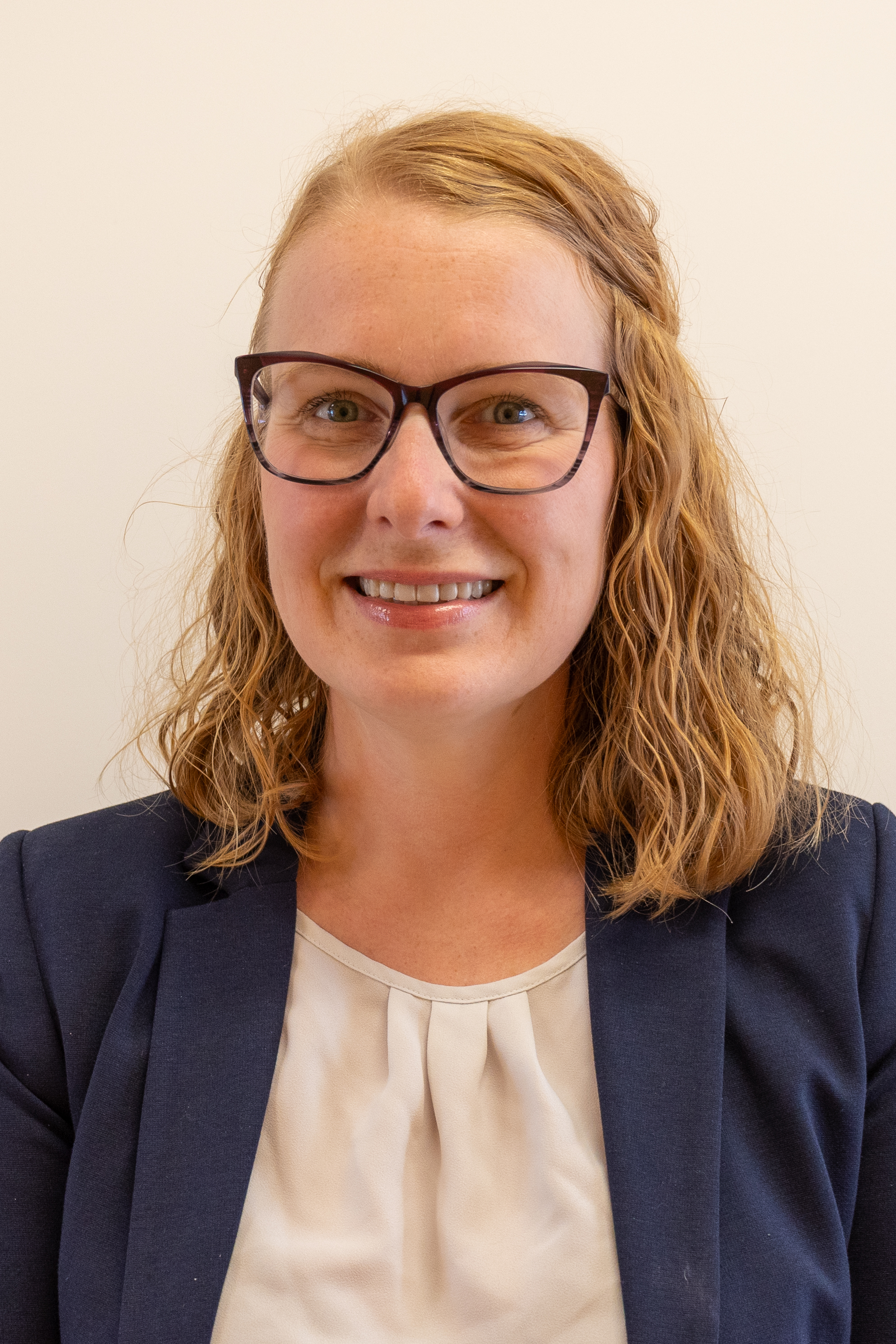
Lea Slongo, Advanced Practice Nurse,
Mental Health and Addictions

Linda Lovell, Corporate Nurse Educator,
Professional Practice
