
Niagara Health is marking International Women’s Day, March 8, by sharing profiles of women who are helping shape the organization. This is the first in a three-part series.
Dr. Helen Caetano, Chief of Surgery, Niagara Health
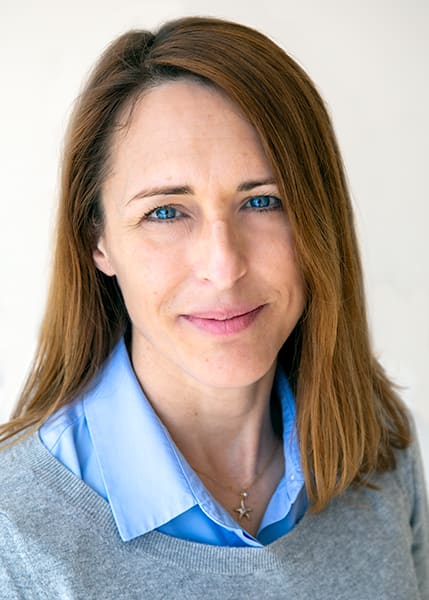 What did your journey to Niagara Health look like?
My journey to Niagara Health was shaped by many years of training, growth and a commitment to patient care. After completing medical school and a rigorous surgical residency, I began my career in Niagara as an Otolaryngologist – a head and neck surgeon. I realized I wanted to practice in a community where I could build lasting relationships with patients and colleagues while still delivering high-quality surgical care. Niagara offered the opportunity to contribute meaningfully to a growing region while helping shape the future of surgical services in the community.
What do you enjoy about working here?
What I enjoy most is the sense of collaboration and shared purpose. Surgery is never a solo effort, it’s teamwork at its finest. From nurses and anesthesiologists to support staff and fellow surgeons, there is a strong culture of mutual respect.
I also value the diversity of cases and the opportunity to care for patients across all stages of life as an Otolaryngologist. In a community setting, you see the full spectrum of need, and you often follow patients’ journeys more closely. That continuity is incredibly rewarding.
Finally, I appreciate being part of an organization that is evolving — expanding services, modernizing facilities and striving to meet the needs of a growing population.
What progress would you like to see in the future as a female physician working in Niagara?
While we’ve made meaningful strides, I would like to see continued progress in leadership representation and mentorship opportunities for women in medicine, particularly in surgical specialties.
Surgery has historically been male-dominated. Although that is changing, we still need to ensure that women feel equally supported in pursuing leadership roles, research opportunities and complex surgical subspecialties.
I would also like to see more structured support for work-life integration, not just for women, but for all physicians. Flexible pathways and parental leave normalization benefit everyone and creates a healthier professional culture.
What progress have you already seen that you’d like to highlight?
Over the past 20 years, the most striking change has been the increase in women entering medicine and surgery. When I trained, female surgical residents were still relatively uncommon. Today, seeing young women confidently choosing surgical careers is both inspiring and affirming.
I’ve also seen a cultural shift toward open conversations about wellness, equity and inclusion. Issues that were once quietly endured are now openly addressed. This transparency is necessary to support future development and enable meaningful progress.
Importantly, I’ve witnessed growing recognition of diverse leadership styles. There is less pressure to conform to one traditional model of authority, and more appreciation for collaborative, empathetic leadership — qualities many women bring naturally to the profession.
What does International Women’s Day mean to you?
International Women’s Day is both a celebration and a reminder. It’s a celebration of the women who paved the way, many of whom trained and practiced in environments far less supportive than the one I work in today. Their resilience created opportunities for my generation.
It’s also a reminder that ongoing progress requires continued effort. Equity in medicine isn’t achieved once, it needs to be maintained through advocacy, mentorship and accountability.
On a personal level, it’s a day to reflect on the privilege and responsibility of being visible to younger women who may be considering careers in healthcare.
Is there anything else you would like to add?
If there’s one message I would share with young women considering surgery, it’s this: there is no single mold for what a surgeon looks like. Competence, compassion, decisiveness and resilience are not gendered traits.
After 20 years in practice, I can confidently say that being a woman in surgery is not a limitation, it is a strength. The perspectives we bring improve patient care, enrich team dynamics and help shape a more inclusive future for medicine.
