
This is an opinion column by Niagara Health neurologist Dr. Alicia Mattia, originally published in the Niagara dailies.
We often hear that the brain finishes developing by about age 20. That is true. But, the adult brain keeps changing. Every new skill, memory and habit leaves a mark. That’s good news. It means daily choices can help protect thinking and memory well into older age.
Brain health isn’t about crossword puzzles alone. It’s about how we live.
Keep giving your brain strong inputs
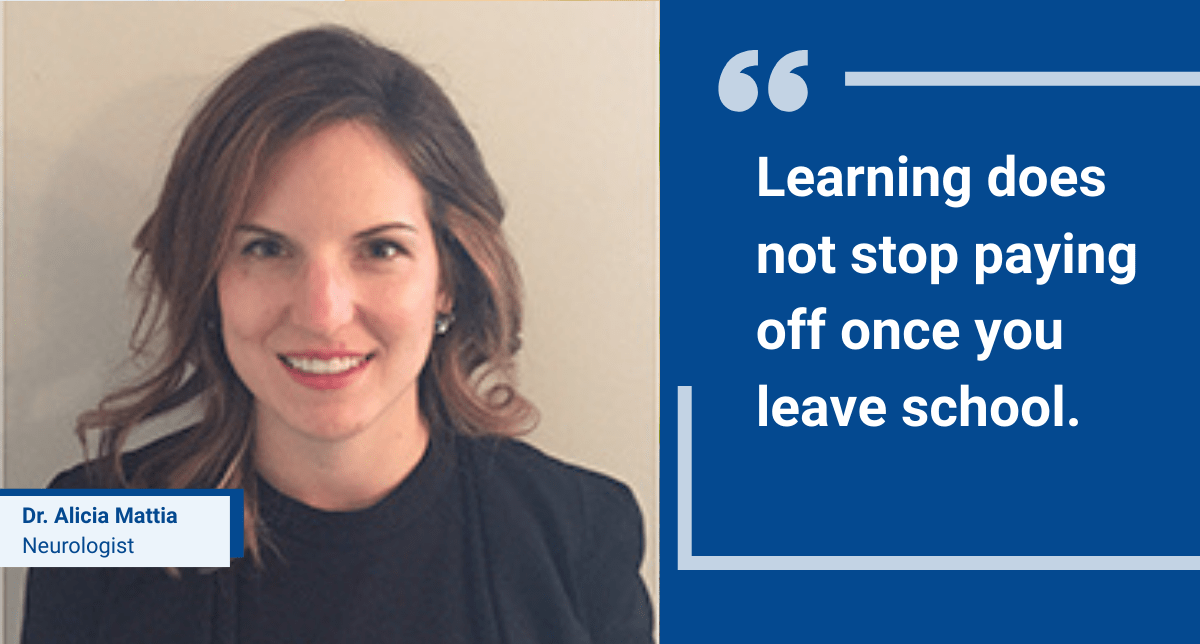
Learning does not stop paying off once you leave school. Education and mentally stimulating activities build what researchers call “cognitive reserve.” Think of it as a buffer that helps the brain cope better with aging or disease.
Formal education appears to have the biggest impact but hobbies matter too. Reading, learning a language, playing music, tackling new technology or other stimulating hobbies all count.
Hearing and vision matter more than many people realize. Untreated hearing loss and vision problems are linked to a higher risk of dementia. One reason is simple: when the brain gets less input from the world it has less to work with. Hearing aids are especially powerful. Studies show they have one of the strongest protective effects on cognition. Vision loss is also often fixable. More than 90 percent of people can be helped with glasses or surgery.
"Hearing and vision matter more than many people realize... One reason is simple: when the brain gets less input from the world it has less to work with."
Build healthy habits that feed the brain
Physical activity improves blood flow to the brain and is linked to larger brain volume over time. Exercise at any age lowers the risk of dementia. The biggest gains are often seen in people who start from a sedentary baseline. You don’t need extreme workouts. Walking, cycling, swimming or strength training all help.
Social activity also exercises the brain. Conversation, shared problem‑solving and emotional connection activate areas involved in language and memory. Living with others, staying in touch with friends or family and taking part in group activities all help protect cognition.
Online connections count too, especially when they are meaningful and interactive.
Reduce toxins and prevent injury
Air pollution is getting increased attention from researchers and policy‑makers because of its effects on brain health. While individuals have limited control over exposure, paying attention to the Air Quality Health Index can help you plan outdoor activity on higher‑risk days.
Some exposures are fully within our control. Smoking and excessive alcohol use damage the brain, along with nearly every other organ. The encouraging part is that cutting back or quitting can reverse some of that harm.
Canada’s updated Low Risk Alcohol Drinking Guidelines recommend no more than two standard drinks per week to avoid alcohol‑related health consequences. There is no safe level of smoking.
Physical injury to the brain is another often preventable risk. Falls, violence, car crashes and sports injuries can all cause lasting damage. Simple steps matter: reduce tripping hazards at home, use seatbelts and wear appropriate head protection during sports and exercise.
Manage other health issues that affect the brain
Conditions that affect blood vessels also affect the brain. Managing high blood pressure, diabetes, high cholesterol and heart disease lowers the risk of stroke and heart attack and reduces the risk of cognitive decline.
"Chronic stress, poor sleep, depression and anxiety all interfere with memory and thinking. Addressing these issues improves quality of life now and helps protect brain health over time."
Mental health deserves the same attention. Chronic stress, poor sleep, depression and anxiety all interfere with memory and thinking. Addressing these issues improves quality of life now and helps protect brain health over time.
Small changes add up
None of this requires perfection. The brain responds to gradual, sustained changes. Learning something new, moving more, staying socially connected, protecting your senses and managing health conditions all add up.
The takeaway is straightforward: the brain remains adaptable for life. Treat it well and it will keep working for you longer.
