
This is an opinion column by Niagara Health President and CEO Lynn Guerriero, originally published in the Niagara dailies.
Many of the hardest moments in healthcare happen in emergency departments. They are busy and unpredictable environments where teams are making rapid decisions in complex situations, often under pressures that are not visible to the people there for care.
On May 27, Emergency Medicine Day, we have an opportunity to pause and recognize that work. More importantly, we have a responsibility to stand behind the people doing it.
Across Niagara Health, more than 150,000 patients come through our emergency departments each year. Every one of those visits involves assessment, testing, decision-making and coordination with the rest of the hospital system. Behind each step are nurses, physicians, clerks, porters and support staff working together to provide care when it matters most.
We see that work. We also see the strain it places on the people doing it.
Emergency teams are caring for more patients with more complex needs. They are doing so in a system where inpatient beds are often full, where moves to community care can be delayed and where demand continues to grow. These pressures affect how long patients stay in the emergency department, even after they have been seen and treated.
It is important to be clear about what that means. The time someone spends in an emergency department is not just the wait to see a doctor or nurse practitioner. It includes the full course of care, from triage to testing to diagnosis to treatment and often waiting for a bed elsewhere in the hospital. Length of stay in an emergency department is closely tied to system capacity, not the effort or commitment of frontline staff.
For patients and families, the experience can be difficult. Long waits and crowded spaces are frustrating and, in some cases, uncomfortable. We hear that. We know it needs to improve.
"The time someone spends in an emergency department is not just the wait to see a doctor or nurse practitioner. It includes the full course of care, from triage to testing to diagnosis to treatment and often waiting for a bed elsewhere in the hospital."
Work is underway to address it. We are focused on improving patient flow across the hospital, strengthening inpatient discharge processes, reducing unnecessary admissions by connecting people to care in the community and ensuring patients receive care in the right place. These efforts are essential to reducing both wait times and overall lengths of stay in our emergency departments.
As improvement efforts continue, our teams are doing their best.
Right now, teams are working through overcrowded waiting rooms, often full inpatient units and emotionally difficult situations that can stretch across an entire shift. They are managing risk, supporting families, making critical decisions and doing it with professionalism and care. Emergency teams show up on our hardest days. For patients, for families, for each other.
"Emergency Medicine Day is not about a single moment of recognition. It is about making that support visible and sustained. It is about acknowledging the reality of the work and making it clear that the people doing it are valued."
Emergency Medicine Day is not about a single moment of recognition. It is about making that support visible and sustained. It is about acknowledging the reality of the work and making it clear that the people doing it are valued.
Across Niagara, you will see that appreciation expressed in simple ways. Messages of thanks. Community partners and elected officials adding their voices. Small efforts to recognize teams on the ground.
These gestures matter because they reflect something larger: a community that understands the role emergency department teams play and stands behind them as they provide a critical service to our community.
Supporting emergency departments also means being honest about the challenges and staying focused on solutions. It means improving how patients move through the system, increasing access to care outside the hospital and continuing to invest in the people providing care every day.
Behind every wait time statistic and every crowded emergency department are people trying to care for patients in often difficult and stressful conditions.
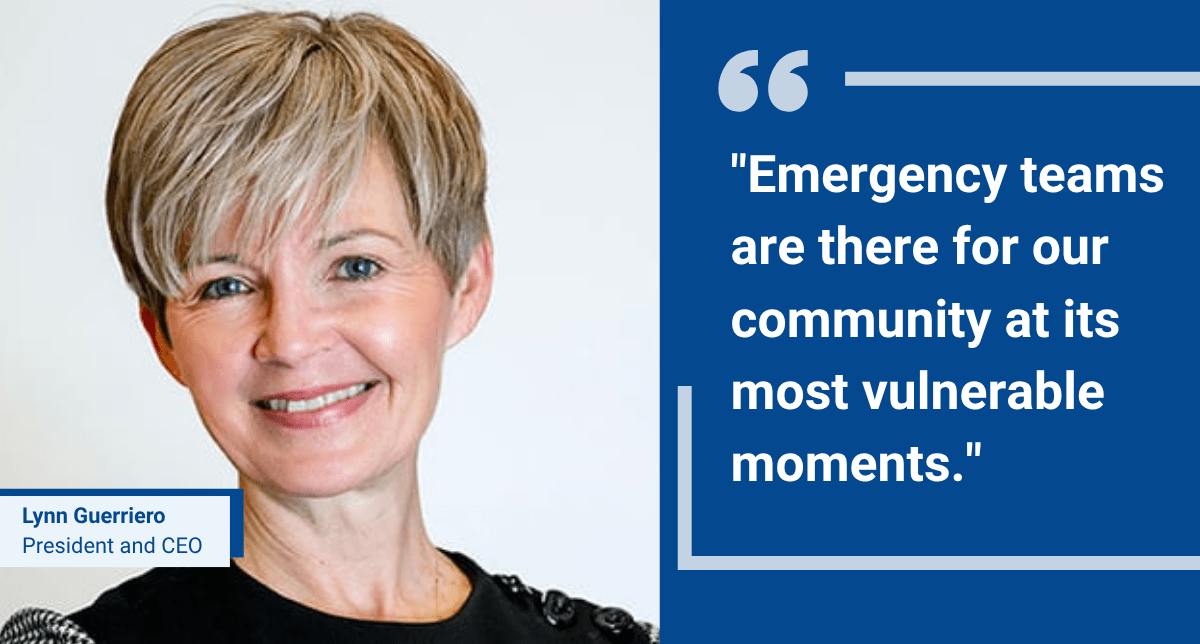
Emergency teams are there for our community at its most vulnerable moments. On May 27, and every day, they deserve our thanks and our support.
