
This is an opinion column by Diane Moore, a senior communications specialist, originally published in the Niagara dailies.
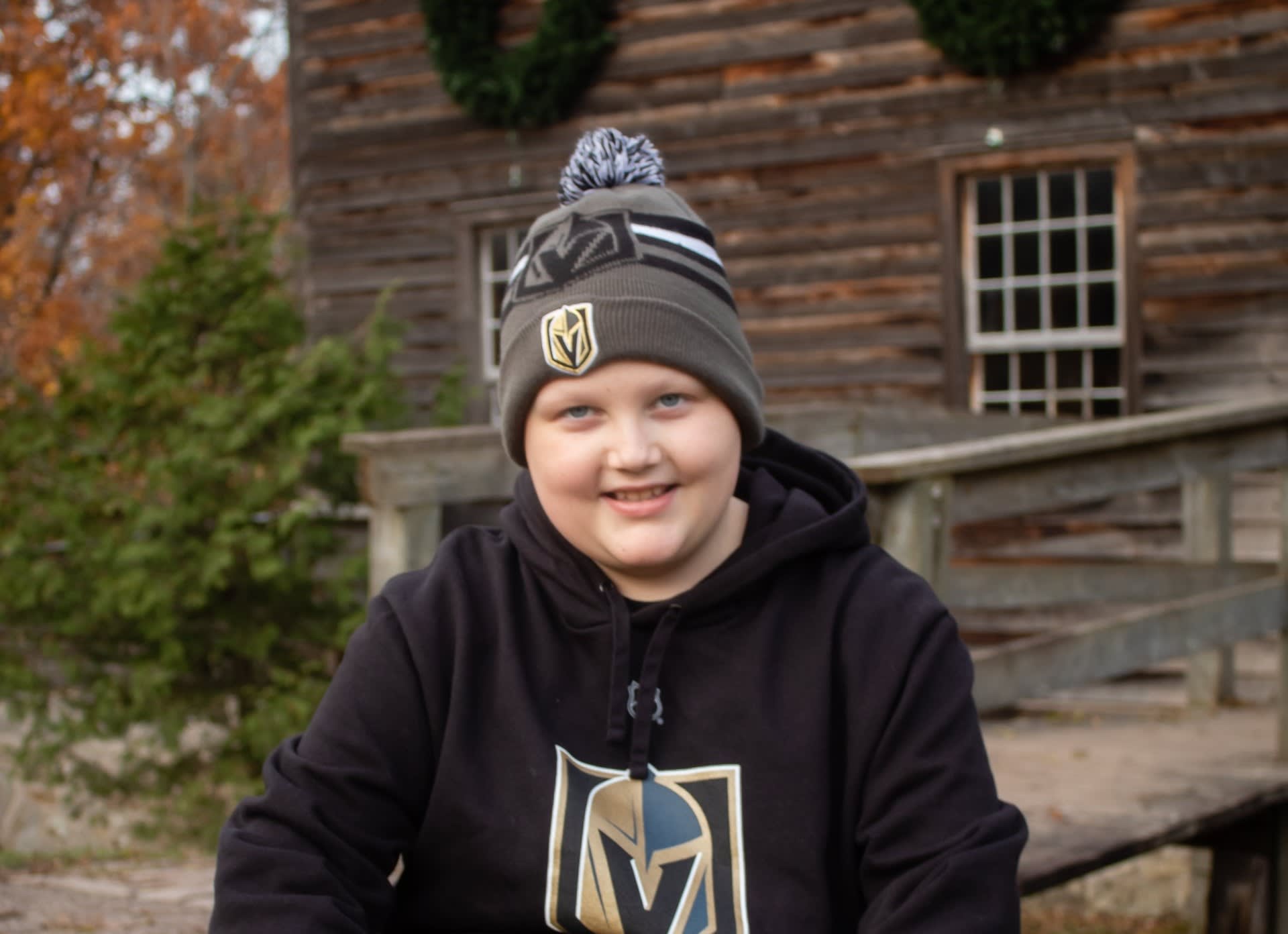
Liam Whitfield was just nine years old when he was diagnosed with acute myeloid leukemia in 2021 — and from the very beginning, his treatment depended heavily on donated blood and plasma.
Stories like his are the reason Niagara Health staff have turned firsthand experience into action, donating blood and plasma after seeing the impact it can have.
They’ve watched children arrive for treatment and require transfusions within days. They’ve seen weeks where support from donated blood isn’t needed occasionally, but urgently. They know that without a steady supply of blood plasma, treatment plans stall, recoveries are jeopardized and options become limited.
For the team at the Walker Family Cancer Centre (WFCC), children like Liam are why the need feels urgent and real. Though his life was heartbreakingly short, it makes clear the importance of blood and plasma donation.
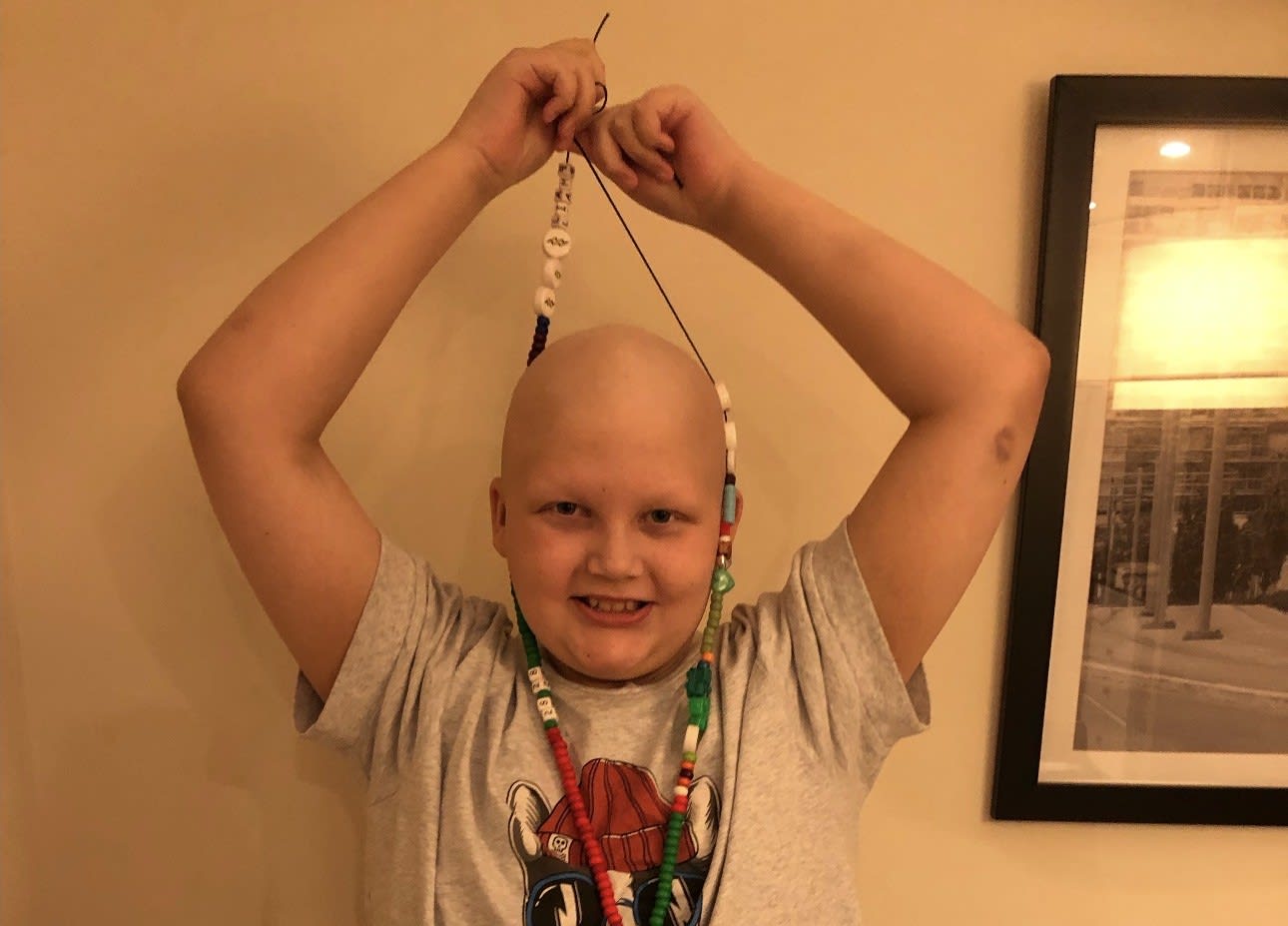
Following Liam’s diagnosis, in the first week alone, he required multiple transfusions — part of a treatment journey that would ultimately include more than 60 transfusions over two years.
“It really shows how critical blood and plasma donations are,” said Liam’s mom, Liz Simpson, a clerk at the WFCC.
Those transfusions were not rare interventions; they were routine lifelines, sometimes happening multiple times in a single week as he fought through intensive chemotherapy and a bone-marrow transplant at both McMaster Children’s Hospital and the Hospital for Sick Children (SickKids).
From loss, a commitment is made
Liam died on July 2, 2023, just one day before his 11th birthday.
In the face of that loss, his mom made a decision.
“I’ve kept donating blood and plasma in his honour. But it’s not just for him, it’s also because we have a large number of young patients who require these services,” said Simpson.
That decision became part of something larger.
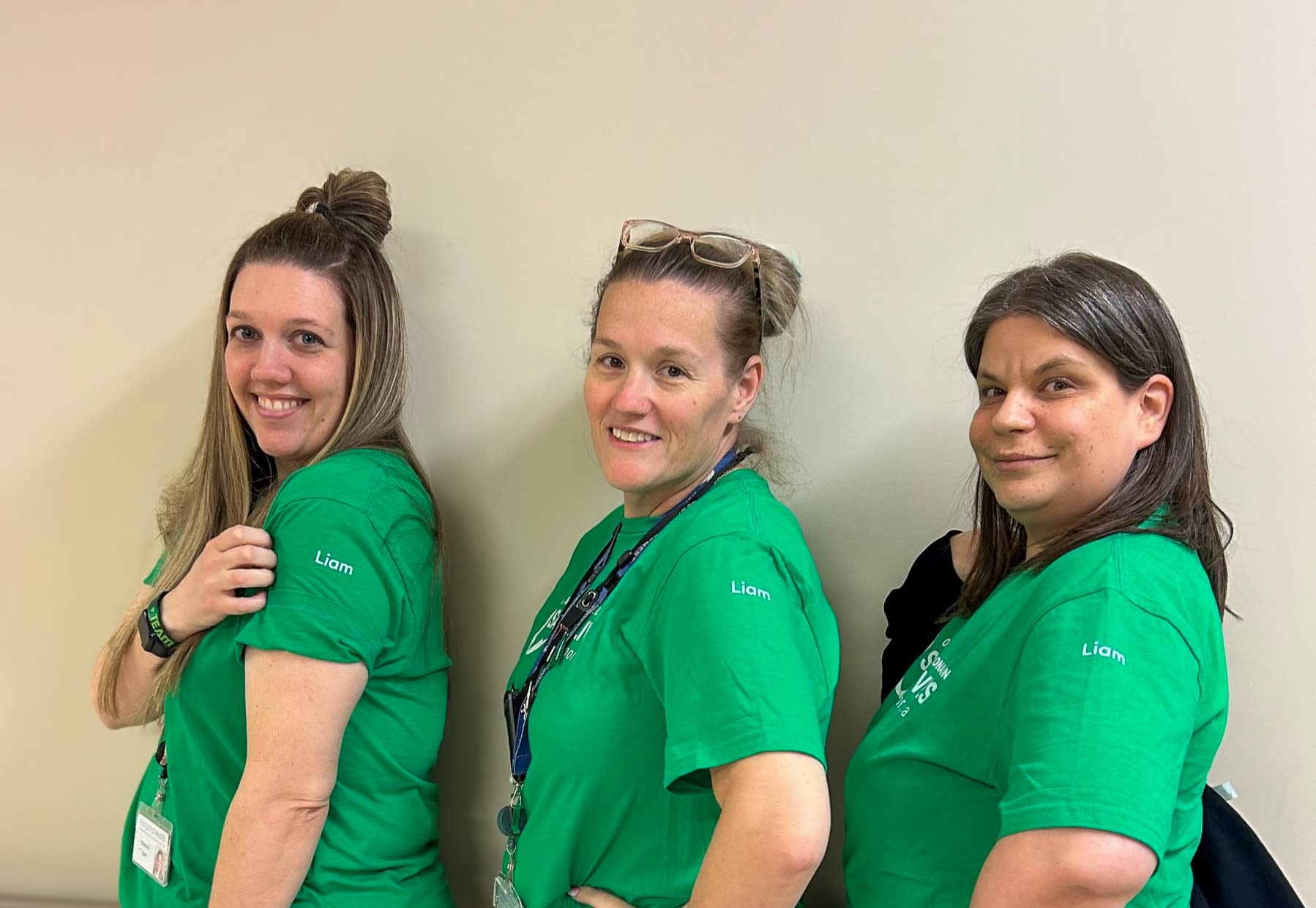
Inspired by Liam’s story and others like him, staff at the WFCC have embraced a growing culture of donation, led in part by Laura White, a clerk receptionist and team captain of the WFCC Partners for Life blood and plasma donor team. The team formed in 2023 as part of the Unit-Based Teams program supporting patients who rely on blood and blood products during their ongoing treatment and care.
What began as a small group has evolved into a team of staff, family and friends who donate regularly, sometimes even on behalf of others.
“I can’t actually donate right now, so my husband goes on my behalf,” White said, underscoring how personal commitment often extends beyond the individual. “I have continued to organize donation events as my way of giving back.”
Inspired by both her friendship with Simpson and Liam’s journey, White continues to honour Liam’s memory by organizing an annual blood drive around his birthday for both coworkers and his family members.
For White, the team’s motivation is simple but profound:
“Plasma-derived therapies are essential for many of our patients,” she said. “Knowing that a simple donation can contribute to improved quality of life or a life-saving treatment is a meaningful reminder of the impact we can have on the lives of others. Donating plasma is a small thing we can do that might make a huge difference in someone else’s life.”
Inside the clinic, that impact is visible every day. Patients who rely on transfusions are not rare cases — they are increasingly common and often young.
“Knowing that a simple donation can contribute to improved quality of life or a life-saving treatment is a meaningful reminder of the impact we can have on the lives of others. Donating plasma is a small thing we can do that might make a huge difference in someone else’s life.”
“We have some patients whose family members are part of our group,” Simpson said. “They donate in memory, or while their loved ones are alive, because they’ve witnessed what needing those transfusions looks like, and want to give back.”
Despite the tragedy of Liam’s illness, those who knew him describe a child who was humorous, talented, kind and remarkably brave. He loved hockey, especially everything related to the Vegas Golden Knights. He got to celebrate their first Stanley Cup championship, a memory that remains deeply meaningful to his family. Outside of hospital life, he played ball hockey as both a forward and goalie, bringing the same energy and enthusiasm into every part of his life.
What plasma actually does, and why it matters
Liam depended continuously on donated blood components to survive, highlighting a less visible part of modern health care: plasma.
Plasma is the liquid portion of blood that carries proteins essential for clotting, immunity and recovery. It is used to treat patients with cancer, immune deficiencies, kidney disease, trauma and those undergoing organ transplants. For many of these patients, plasma-derived products are not optional, they are essential for survival.
One of the most striking realities is it can take up to 100 plasma donors to support the treatment needs of just one patient over the course of a year. That means each individual patient’s care is built on the generosity of dozens, if not hundreds, of donors.
Growing need
Across Canada, demand is growing rapidly. Canadian Blood Services has projected the need for approximately one million new blood and plasma donors over the next five years to keep pace with the rising demand. Fifty per cent of Canadians have either needed blood products or know someone who has.
Lilet Raffinan of Canadian Blood Services points to WFCC as a leading example of how local action creates national impact.
“A heartfelt thank you to the Walker Family Cancer Centre for taking the lead in encouraging staff, friends and families to donate blood and plasma,” says Raffinan. “Their leadership inspires others to step forward, creating a ripple effect of compassion throughout our community.”
Niagara Health collected 69 units of blood and plasma last year and has pledged a goal of 75 this year.
“Every unit of blood product that reaches a patient represents hope,” Raffinan said. “And Niagara Health has been instrumental in ensuring that hope is never out of reach.”
For the WFCC Partners for Life, each donation contributes to a shared goal and a shared story.
Liam’s story is not over. It continues to touch lives and encourage others to spread hope.
To make a blood or plasma donation, go to blood.ca
