Formal Research Training
Share This Page

Share This Page
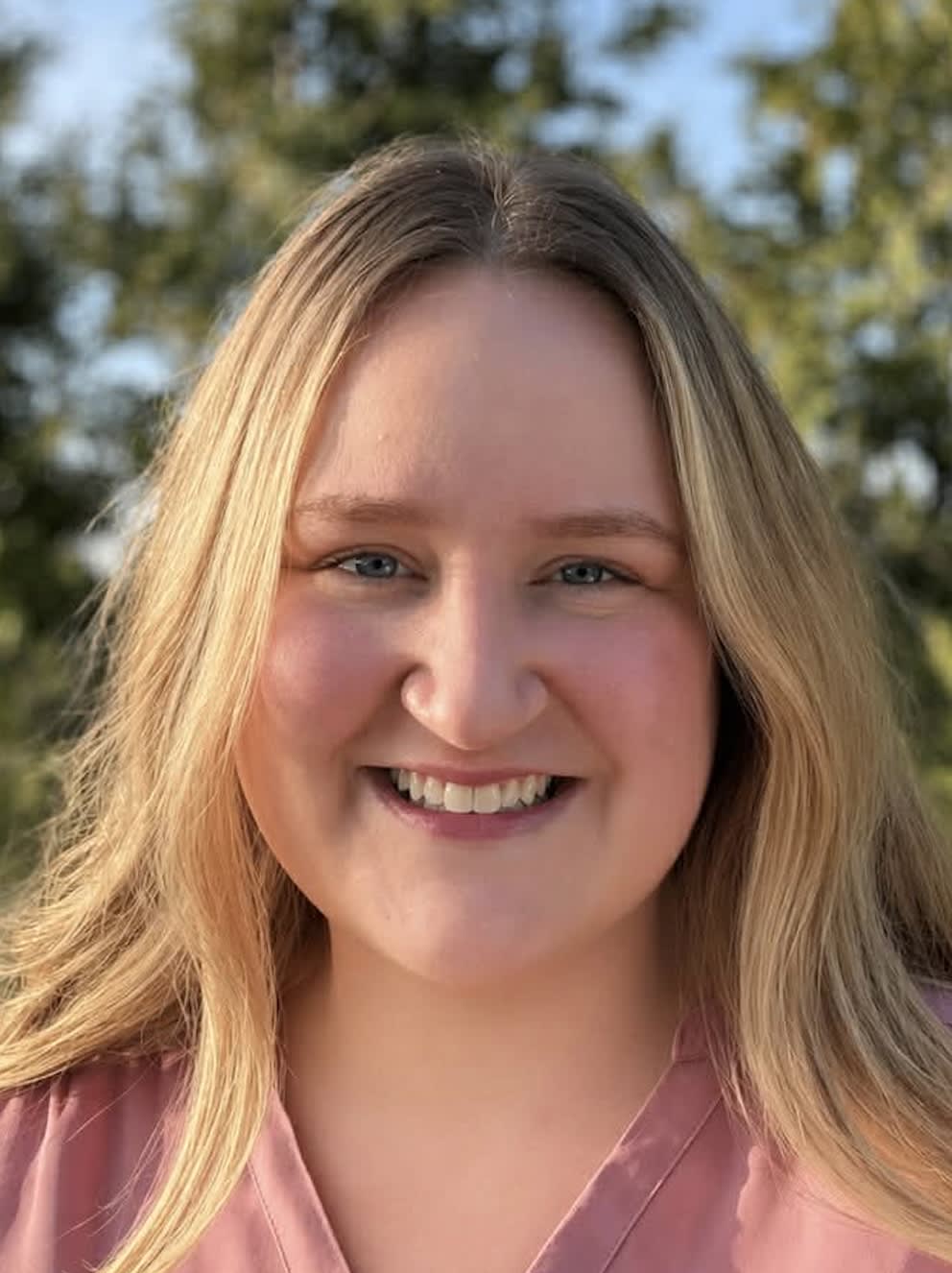
Leigha Comer, PhD, is a Postdoctoral Fellow at the Niagara Health Knowledge Institute (NHKI) and McMaster University. Before joining the NHKI in 2026, she held a Social Sciences and Humanities Research Council (SSHRC) Postdoctoral Fellowship in the School of Health Studies at Western University. She completed her PhD in Sociology at York University in 2023 as a Vanier Canada Graduate Scholar, with a dissertation examining the social organization of opioid use in Ontario.
Dr. Comer is a qualitative health researcher with expertise in institutional ethnography, integrated knowledge translation, and research co-production. Her research examines chronic pain, opioid use, and drug policy, with particular attention to equity, power, and the experiences of people navigating the health system. At the NHKI, she is a co-applicant on the CIHR-funded INSIGHTS-Niagara study, a Niagara-led investigation of how sepsis is recognized and treated in hospital, and she is developing a program of research on priority setting and partnership building for the care of older adults in Niagara. Her first book, No Hope for Relief: Using Opioids for Chronic Pain in an Age of Drug-Related Panic, is forthcoming from University of Toronto Press in 2027, and her work has appeared in journals including the International Journal of Drug Policy, the Annals of Family Medicine, the Canadian Journal of Pain, and Health Research Policy and Systems.
Dr. Comer is an experienced educator and mentor. She lectures on advanced qualitative research methodology at Western University, supervises graduate and undergraduate trainees across multiple funded projects, and facilitates workshops on qualitative and community-engaged research — including workshops that support people with chronic pain in engaging with health research. She was recognized with a Dean's Award for Excellence in Teaching at York University and, in 2026, with the SSHRC Talent Impact Award.
She contributes broadly to her fields through editorial and professional service, including as a founding editorial board member of the Journal of Institutional Ethnography, an editorial board member of the Canadian Journal of Pain, and a board member of the International Sociological Association's Equity, Diversity, and Inclusion Taskforce. She advises Pain BC on accredited continuing medical education in disability and chronic pain, and is a long-standing member of the Canadian Pain Society's Medical Education in Pain Special Interest Group.
Beyond academia, Dr. Comer is a committed community leader and advocate. She is the founder and co-director of Unmanaged, a national initiative supporting people with chronic pain and people who use opioids, and co-leads community-based research with the Disability Justice Network. Her scholarship is grounded in nearly a decade of patient-led advocacy, including leadership roles with the Chronic Pain Association of Canada.

Emily Baker, MSc, is a PhD student in Health Research Methodology at McMaster University, supervised by Dr. Jennifer Tsang, and a Mitacs Intern at the Niagara Health Knowledge Institute (NHKI). Her doctoral research uses mixed methods to examine the individual-, organizational- and systems-level strategies and measurement frameworks that strengthen research capacity in Canadian community hospitals. With training that spans biomedical, clinical and health services research, she brings an interdisciplinary perspective and first-hand knowledge of hospital research operations to her goal of becoming an embedded health systems researcher.
Emily completed an Honours Bachelor of Science in Biomedical Science at the University of Waterloo in 2020, followed by a Master of Science in Biology in 2023, where she studied the role of the transcription factor Hindsight in a Notch-induced tumour model in Drosophila melanogaster under the supervision of Dr. Bruce Reed. Her master's work was recognized with a Dean of Science Award nomination. She then moved into health services research through the CIHR-funded Sepsis Canada and LiFTING Research Training Program, where her practicum produced a budget guidance document and research impact assessment template for community hospitals taking part in research. She began her doctoral studies at McMaster in 2025 with a doctoral Ontario Graduate Scholarship and Health Research Methodology entrance awards.
Emily has worked in clinical research in both academic and community hospital settings. As a Clinical Research Coordinator at the Hamilton Health Sciences Centre for Burn Research, she screened, consented and enrolled participants in observational studies and clinical trials. At Niagara Health, she worked as a Clinical Research Assistant in the Critical Care Department and as a Research Assistant at NHKI, where she supported the development of a multicentre pilot randomized controlled trial and the integration of REDCap into local research infrastructure. She also serves as Secretary of the Canadian Community ICU Research Network (CCIRNet), an executive member of the Canadian Association for Health Services and Policy Research (CAHSPR) Student Working Group, a steering committee member for the OCCUPY-Niagara Health post-occupancy evaluation, and a mentor to undergraduate and medical students at NHKI and to trainees in the LiFTING and Sepsis Canada program.
Her research focuses on building research capacity in community hospitals. She is a co-applicant on two CIHR-funded grants: INSIGHTS-Niagara, a Project Grant on timely sepsis recognition, and IMPACT-CC, a Planning and Dissemination Grant on improving access to critical care trials in community ICUs. In collaboration with CCIRNet, she led the development of a clinical trial budget tailored to community hospital settings. She is a co-author of a 2026 paper in SSM - Health Systems on co-developing Canadian hospital research tracking criteria through a national consensus meeting, and has presented this work at CAHSPR and an update on the RICH-Canada program at the Canadian Critical Care Trials Group meeting. As a Mitacs Intern, she is conducting interviews and analysis for a qualitative study of community hospital leaders' experiences embedding research in their organizations (Lead-RICH).

Andrea Dafel, PhD, is a Postdoctoral Fellow at the Niagara Health Knowledge Institute (NHKI) and McMaster University. She completed her PhD in Health Policy at McMaster University in 2026, following a Master of Public Health from Western University and an Honours Bachelor of Science in Medical Science from Brock University, where she graduated with First Class Standing.
Dr. Dafel's research focuses on patient and public engagement in health systems and health policy. At the NHKI, she works on the Ministry of Health-funded Post-Occupancy Evaluation (POE) study, and she mentors PhD student Emily Baker on the LEAD-RICH study, which explores community hospital leaders' experiences with organization- and systems-level strategies to build community hospital research capacity in Canada. Her doctoral work evaluated how patient engagement is practised and assessed in health system organizations across Ontario, and she has contributed to national scholarship on public engagement in health policy-making for older adults, including a systematic search and scoping review published in Health Expectations (2024). As a research assistant at McMaster, she supported the development of a framework outlining the competencies, supports, and enablers needed to build engagement-capable Ontario Health Teams, and contributed to program evaluations for the Ontario Ministry of Health.
Her experience spans research and practice across the health system. She has conducted rapid evidence syntheses on pressing mental health and addictions questions for the Mental Health and Addictions Centre of Excellence, led patient experience data collection and analysis to drive quality improvement at the London Health Sciences Centre's Urgent COVID Care Clinic, and evaluated community support services addressing mental illness and homelessness in Toronto. Her research career began in Niagara: as an undergraduate at Brock University, she was selected for the Interprofessional Education for Quality Improvement Program (IEQUIP), a two-year quality-improvement research project spanning the five Niagara Region hospitals, which she presented at the Institute for Healthcare Improvement conference in Orlando.
Dr. Dafel is also an experienced educator, serving as co-instructor of the graduate course Applied Qualitative Research Methods in Health at McMaster University and supporting undergraduate teaching in health sciences, disability, and aging over four years as a teaching assistant. She has presented her research nationally, including at the Canadian Association for Health Services and Policy Research conference.
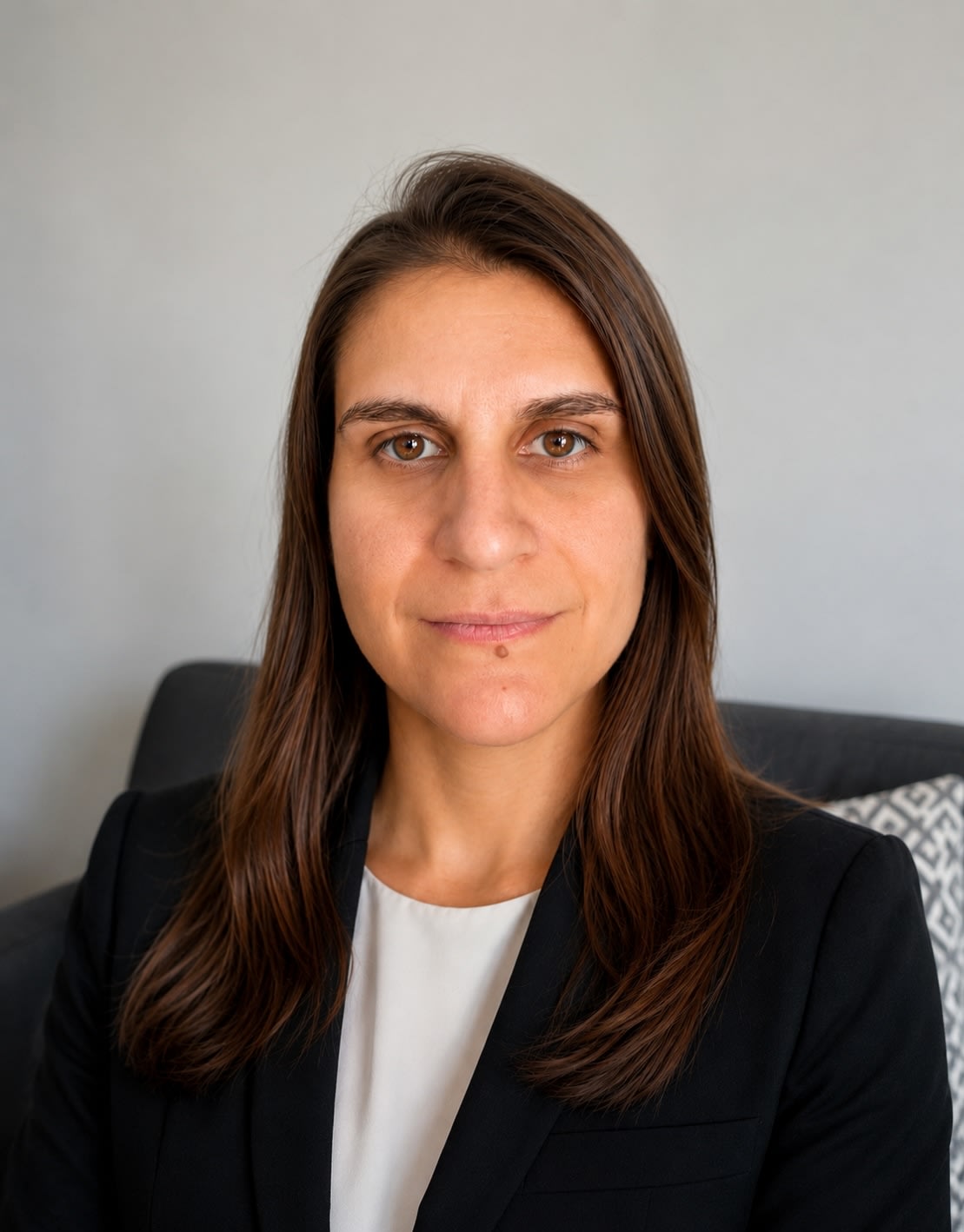
Dr. Olivia Haun de Oliveira, MD, MSc, FRCPC, is an intensivist at Niagara Health and the inaugural Clinician Investigator Program (CIP) Trainee at the Niagara Health Knowledge Institute (NHKI), where she leads the South Niagara Hospital study. Alongside her CIP training, she is enrolled in the Master's program in Health Research Methods at McMaster University. Trained on two continents, she brings to Niagara a rare combination of community and academic critical care experience spanning Brazil and Canada.
Dr. Haun de Oliveira completed her Doctor of Medicine at Santa Cruz State University in Brazil in 2010, followed by residency training in Internal Medicine in Recife and in Critical Care Medicine at the Federal University of São Paulo, where she also earned a Master's degree in Healthcare Technology in 2014. She practised as an attending intensivist in São Paulo for several years, including in the 40-bed critical care unit of a community hospital and in a university hospital ICU, where she supervised and taught critical care residents. After moving to Canada, she completed a Critical Care Medicine clinical fellowship at Sunnybrook Health Sciences Centre (University of Toronto), core Internal Medicine training at the University of Toronto, and subspecialty training in Critical Care Medicine at McMaster University, completed in 2026. She became a Fellow of the Royal College of Physicians and Surgeons of Canada in 2024.
Alongside her research training, Dr. Haun de Oliveira maintains an active clinical practice as an intensivist at Niagara Health. She has also practised critical care at Hamilton Health Sciences and St. Joseph's Healthcare Hamilton, and as a locum critical care physician at Brantford General Hospital.
Her research spans hemodynamic monitoring, critical care resource use, and the organization of critical care services. Her peer-reviewed publications in the Journal of Critical Care include a study of respiratory changes in inferior vena cava diameter versus pulse pressure variation for predicting fluid responsiveness, and a prospective cohort study assessing the need for lower-acuity critical care services at a Canadian tertiary hospital. She has presented at the American Thoracic Society International Conference on weight-based versus non-weight-based norepinephrine dosing in septic shock, and at the Critical Care Canada Forum Datathon on overuse of supplemental oxygen in ventilated patients. She has also authored book chapters on critical care ultrasound and stress ulcer prophylaxis in Brazilian critical care textbooks. Dr. Haun de Oliveira is fluent in English and Portuguese.

Lukas is a general surgery resident at McMaster University and based at the Niagara Regional Campus (NRC). He is currently enrolled in the Clinician Investigator Program (CIP) at McMaster with Ministry of Health funding. He is pursuing a Master's degree at the University of Illinois Chicago in Health Professions Education, where he is getting formal training in medical education. He hopes to make use of his scholarly interests in curriculum development and simulation to contribute at the undergraduate and postgraduate levels at NRC in partnership with the NHKI.
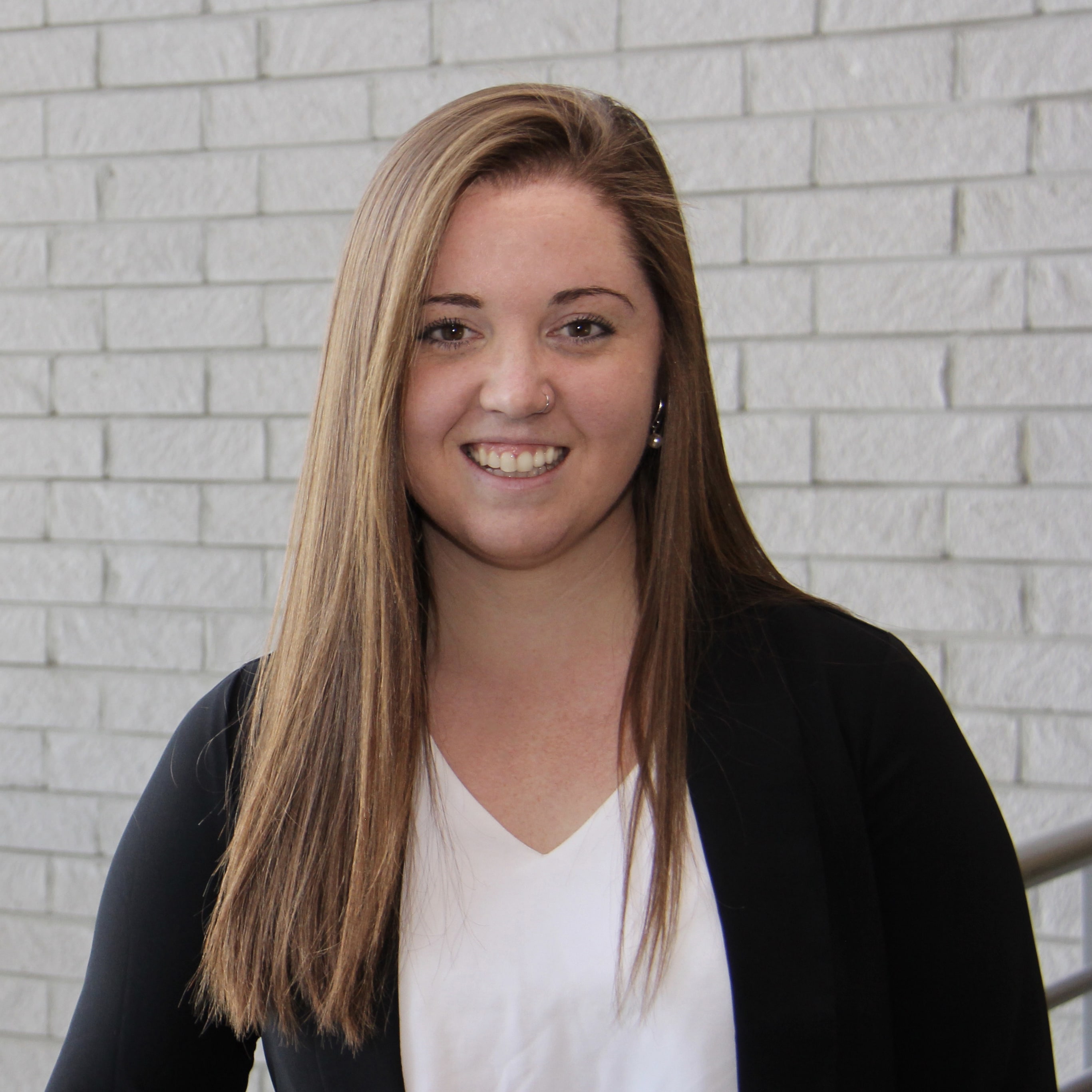
Heather O'Grady, PhD, is an Early Career Research Scientist at the Niagara Health Knowledge Institute (NHKI) and Assistant Professor (Part-Time) in the Department of Health Research Methods, Evidence and Impact at McMaster University. She completed her PhD in Rehabilitation Science, with a specialization in Knowledge Translation, at McMaster University in 2023, followed by a Postdoctoral Fellowship at the NHKI, and was appointed to her first independent research role at the NHKI in October 2025. She leads the Institute's Patient Experience and Engagement in Research Portfolio, building capacity for patient and public engagement in research within the Niagara Region and across Canadian community hospitals.
Dr. O'Grady's research aims to improve the quality, delivery, and implementation of acute and critical care through patient- and family-oriented, embedded health research. Her work spans critical care rehabilitation, informed consent, patient and family engagement, implementation science, and embedded research within learning health systems. Over the past five years she has authored 35 publications, including 15 as first author, in leading journals such as NEJM Evidence, JAMA Network Open, Critical Care, and the Canadian Journal of Anesthesia. Highlights include a systematic review and meta-analysis of leg-cycle ergometry in critically ill patients, simultaneously presented and published at the European Society of Intensive Care Medicine 2024 Meeting (NEJM Evidence, 2024), and a pooled analysis of five international rehabilitation studies examining the sit-to-stand test as a patient-centred functional outcome (Critical Care, 2022).
She leads CONSENT-ICU, an international program of work to improve the informed consent process for patients and families approached about research participation in the intensive care unit, supported by a National Early Career Researcher Award (2026). She also co-led CAN-Measure, a Sepsis Canada-funded, pan-Canadian quality-improvement initiative to standardize training for outcome measure assessors in ICU-based sepsis studies. Her research has been supported by competitive funding from CIHR and other national organizations, including an Interdisciplinary Fellowship from the Canadian Frailty Network, and she is a graduate of the CIHR-funded Sepsis Canada and Life-Threatening Illness National Group (LifTING) Health Research Training Program.
Nationally and internationally, Dr. O'Grady serves on the International Forum for Acute Care Trialists (InFACT) Patient and Public Involvement Working Group, the REMAP-CAP International Patient and Public Involvement Panel, and the Federated Platform Trials Consent and Patient and Public Involvement and Engagement Working Group. At the NHKI, she co-led the formation of the Institute's first Patient and Family Engagement in Research Committee alongside three inaugural patient and family partners, and she co-developed freely available online learning modules that build applied health research capacity among staff and clinicians at community hospitals.
Dr. O'Grady is an active mentor and educator, having supervised or co-supervised more than fifteen graduate, medical, and undergraduate students, with student-led work resulting in peer-reviewed publications and national conference presentations. She also serves on the Board of Directors of Haldimand War Memorial Hospital in Dunnville, Ontario, bridging embedded research and health system governance in a community hospital setting.

Kian Rego joined the team in May 2022 as a research student while completing her Master’s degree in Applied Health Sciences at Brock University. Supervised by Drs. Jennifer Tsang and Madelyn Law, her thesis used qualitative research methods to explore how to foster an organizational culture of research in Canadian community hospitals. In September 2025, Kian will begin a PhD in Business Administration with a specialization in Health Policy and Management at McMaster University.
Rego, K., Gehrke, P., Law, M. P., Halverson, K., Piquette, D., Orlando, E., Jack, S. M., Cook, D., Marticorena, R. M., Binnie, A., & Tsang, J. L. Y. (2024). Embedding a culture of research in Canadian community hospitals: A qualitative study. Health Research Policy and Systems, 22(1), 164. https://doi.org/10.1186/s12961-024-01243-2
Gehrke, P., Rego, K., Orlando, E., Jack, S., Law, M., Cook, D., Marticorena, R. M., Binnie, A., & Tsang, J. L. Y. (2024). Factors influencing community intensive care unit research participation: A qualitative descriptive study. Canadian Journal of Anesthesia/Journal Canadien d’anesthésie, 71(12), 1755–1768. https://doi.org/10.1007/s12630-024-02873-4
Rego, K., Orlando, E., Archambault, P., Geagea, A., Mitra, A. R., Vazquez-Grande, G., Marticorena, R. M., Patterson, L., DiDiodato, G., Rewa, O. G., Senaratne, J., Law, M., Binnie, A., & Tsang, J. (2024). Developing a toolkit for building a community hospital clinical research program. Canadian Journal of Anesthesia/Journal Canadien d’anesthésie, 71(12), 1646–1652. https://doi.org/10.1007/s12630-024-02883-2
Rego, K., Jomy, J., Patel, P., DiDiodato, G., Nademi, A., Binnie, A., & Tsang, J. (2024). The research activities of Ontario’s large community hospitals: An updated scoping review. BMC Health Services Research, 24(1), 1137. https://doi.org/10.1186/s12913-024-11454-6
Rego, K., Patel, P., Binnie, A., & Tsang, J. (2025). The research activities of Canadian community hospitals: A bibliometric analysis. Healthcare Management Forum, 08404704251345312. https://doi.org/10.1177/08404704251345312
Tsang, J. L. Y., Rego, K., Binnie, A., Lee, T., Mccarthy, A., Cowan, J., Archambault, P., Lellouche, F., Turgeon, A. F., Yoon, J., Lamontagne, F., Mcgeer, A., Douglas, J., Daley, P., Fowler, R., Maslove, D. M., Winston, B. W., Lee, T. C., Tran, K. C., … For CAPTIVATE Investigators. (2024). Community versus academic hospital community-acquired pneumonia patients: A nested cohort study. Pneumonia (Nathan Qld.), 16(1), 31. https://doi.org/10.1186/s41479-024-00143-x
