Health Research Methodology Course
Share This Page

Share This Page

Several members of the NHKI team are responsible for content development and instruction of a graduate course, Applied Qualitative Research Methods, in McMaster University’s Health Research Methodology program This course provides learners with a foundation in qualitative research methods, focusing on pragmatic approaches that are conducive to mixed-methods research.
Week 1 – Introduction to Qualitative Research: What is it and why is it important?
Week 2 – Philosophical Perspectives: Paradigms, Ontologies, Epistemologies, Methodologies, Reflexivity
Week 3 – Study Designs I: Overview of Qualitative Approaches and Designs
Week 4 – Study Designs II: Qualitative Description and Case Study Designs
Week 5 – Study Designs III: Mixed Methods Designs, Constructing a Survey
Week 6 – Data Collection I: Sampling, Interviews & Focus Groups
Week 7 – Data Collection II: Observation, Documents and Secondary Data
Week 8 – Data Analysis I: Overview of data analysis methods (Thematic Analysis, Content Analysis, Rapid Qualitative Analysis)
Week 9 – Data Analysis II: Techniques for analyzing qualitative data (coding, memoing, conceptualization, representation)
Week 10 – Achieving Rigor, Trustworthiness and Credibility
Week 11 – Ethical Considerations
Week 12 – Research proposal consultations
Week 13 – Dissemination strategies: Developing a KMb plan
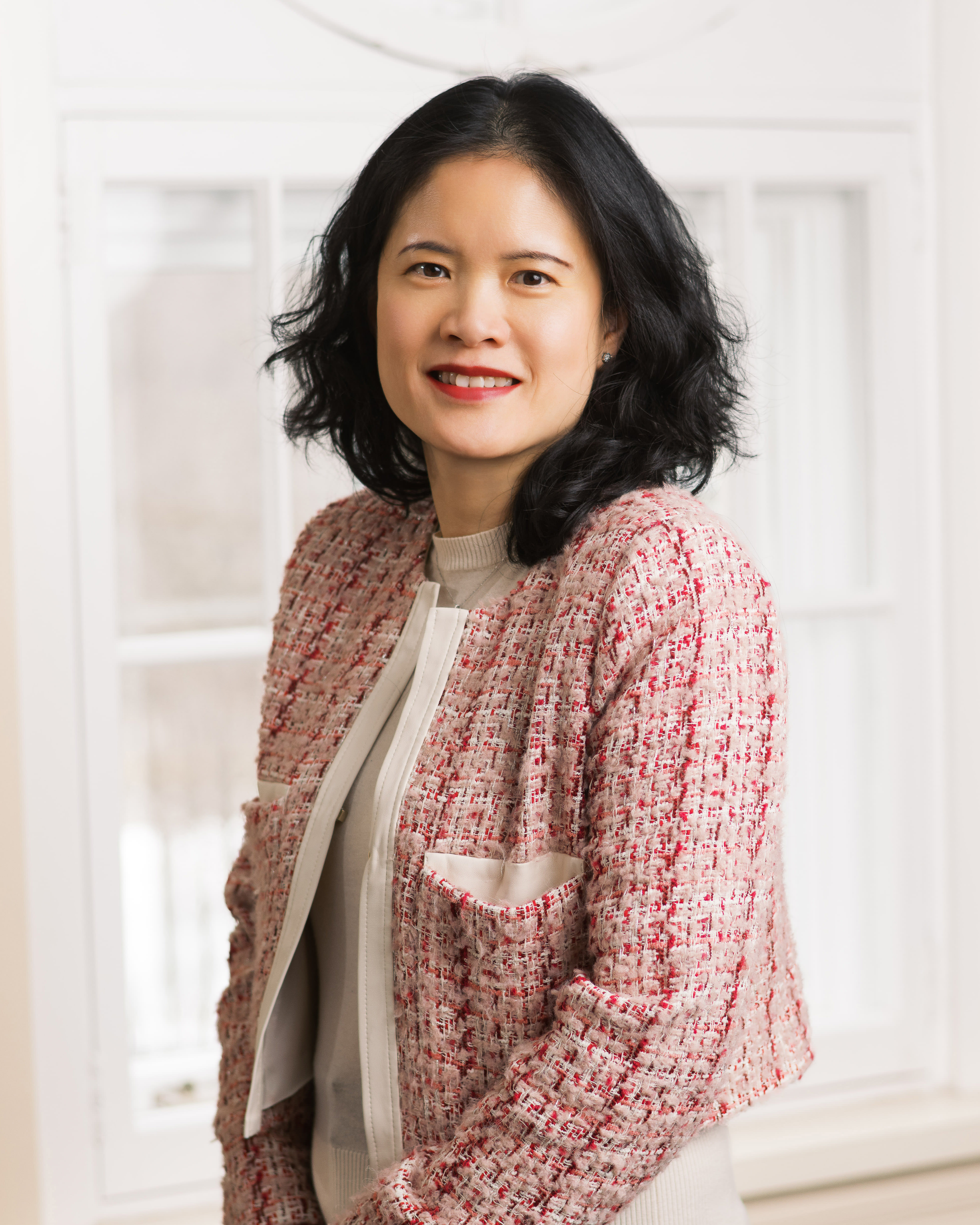
Dr. Jennifer Tsang (she/her), MD, PhD, FRCPC, ABOM, completed her Doctor of Medicine degree (cum laude) at the University of Ottawa in 2003. She returned to Toronto, where she completed residency training in Internal Medicine in 2006, followed by fellowship training in Adult Critical Care Medicine in 2008. While working as an adult critical care physician at Sunnybrook Health Sciences Centre in Toronto, she completed a PhD at the University of Toronto focused on the molecular biology of sepsis. In 2013, she joined Niagara Health as an adult critical care physician, and in 2015 she was appointed Physician Research Lead. In 2020, she became a Diplomate of the American Board of Obesity Medicine and provides specialized care to patients with obesity in Southern Ontario.
She is currently the founding Executive Director and Chief Scientist of the Niagara Health Knowledge Institute; Professor in the Department of Medicine, McMaster University; and Regional Deputy Research Director, Internal Medicine Residency Program, McMaster University. She founded the Critical Care Research Program at Niagara Health, a program recognized by the Health Standards Organization as a Leading Practice. She has over 115 peer-reviewed research publications and over $110 million in research grant funding as Principal Applicant and Co-Applicant. She received the McMaster University Department of Medicine Early Career Research Award (2015), the Canadian Critical Care Trials Group Early Career Research Award (2018), and the McMaster University Department of Medicine Mid-Career Research Award (2020).
Her academic work focuses on health research transformation in Canada by increasing research capacity in community hospitals across the country. She is active in expanding clinical trials to Niagara Health and other community hospitals across Canada and is a co-investigator on more than 35 multicentre clinical trials. At the provincial level, she sits on the planning committee of Critical Care Services Ontario’s Critical Care Clinical Practice Rounds, and on the Ontario Hospital Association’s Hospital-Based Coordination Working Group, which envisions a fully integrated health research and healthcare delivery system across Ontario. At the national level, she is co-founder and co-chair of the Canadian Community ICU Research Network and was the co-chair of the COVID-19 Network of Clinical Trials Networks’ Community Acute and Critical Care Working Group. She also co-chairs the ACT Portfolio Hospital Committee, which provides financial support and mentorship to community hospitals developing research programs. She is a Council Member of the Royal College of Physicians and Surgeons of Canada, a member of the Royal College Research and Evaluation Advisory Committee, and a Board Member of the Canadian Critical Care Trials Group.
She is also active in educating and equipping health and research professionals in a broad range of research methodologies, supervising graduate students and postdoctoral fellows and serving as a steering committee member and mentor with the CIHR-funded Life-Threatening Illness National Group (LifTING) Research Training Platform. LifTING’s mandate is to address the lack of translation of new scientific knowledge into improved healthcare practices, and the health inequities that persist despite significant advances in health sciences. She is a co-investigator of the CIHR-funded Health Systems Impact Research Training Program. Outside her clinical and academic work, she served as a Board Member at Quest Community Health Centre in Niagara from 2019 to 2024, including as Board Co-Chair from 2023 to 2024.
Internationally, she serves on the interim council of the International Forum for Acute Care Trialists (InFACT), the leadership team of PRIME Ireland (Pandemic Resilience Ireland Clinical Platform), and the World Health Organization’s Global Optimization of Respiratory Support Collaboration Working Group.
Elaina Orlando, PhD, MPH, is the Director of Research Operations at the Niagara Health Knowledge Institute (NHKI), Assistant Professor (Part-Time) in the Department of Health Research Methods, Evidence and Impact at McMaster University, and Adjunct Professor in the Department of Health Sciences at Brock University. She holds a PhD in Health Services Research from the University of Toronto, a Master of Public Health from the University of Waterloo, and an Honours Bachelor of Public Health from Brock University.
Dr. Orlando's career spans more than fifteen years in Niagara's public health and acute care sectors — a Niagara-rooted path that began as an epidemiologist at Niagara Region Public Health and continued at Niagara Health as a Quality and Patient Safety Specialist and then Manager of Integrated Transitions in Care. As the NHKI's founding Research Manager, she built the operational foundation of research at Niagara Health: developing and implementing twelve research policies and procedures, creating standardized tools and processes for clinical research teams, and leading the successful application for Niagara Health's institutional eligibility to administer Canadian Institutes of Health Research (CIHR) grants — a designation held by only a handful of non-teaching acute care hospitals in Ontario. Under her operational leadership, Niagara Health's clinical research grew from four programs to eight, running 58 clinical trials and enrolling more than 600 patients in 2025.
Dr. Orlando is also an active health services researcher. Her work uses mixed methods to investigate quality improvement and implementation science in the health system, mechanisms for enhancing community hospital participation in research, and how medical and staff engagement can be leveraged to create sustainable organizational change. She completed a Postdoctoral Fellowship with the Canadian Critical Care Trials Group under the supervision of Dr. Jennifer Tsang, leading a mixed-methods case study of how context influences Canadian community hospital participation in research, and she is a core contributor to the NHKI's RICH-Canada program on community hospital research capacity building.
A committed educator and mentor, Dr. Orlando co-coordinates and teaches a graduate course on applied qualitative research methods at McMaster University, previously lectured in health administration at Brock University for six years, and trained more than 150 frontline staff and leaders in quality improvement methods at Niagara Health. She graduated in the inaugural cohort of the CIHR-funded Life-Threatening Illness National Group (LifTING) Health Research Training Program and now serves as a mentor on the platform. She also operationalized the NHKI Summer Student Research Scholarships in partnership with Brock University, McMaster University's Thrombosis and Atherosclerosis Research Institute, Niagara College, and the University of Niagara Falls Canada — helping develop and retain the region's next generation of health researchers.
Provincially and nationally, Dr. Orlando represents the NHKI on the Ontario Hospital Association's Hospital-Based Research community of practice ,serves on the Accelerating Clinical Trials (ACT) Portfolio Hospital Committee, and chairs the Evaluation and Measurement Working Group of the Canadian Clinical Research Workforce Strategy, all of which support research capacity building in hospitals. Her early-career recognition includes the Public Health Commissioner's Award for Leadership Excellence from Niagara Region and the Dr. Sheela Basrur Scholarship from the Ontario Public Health Association.
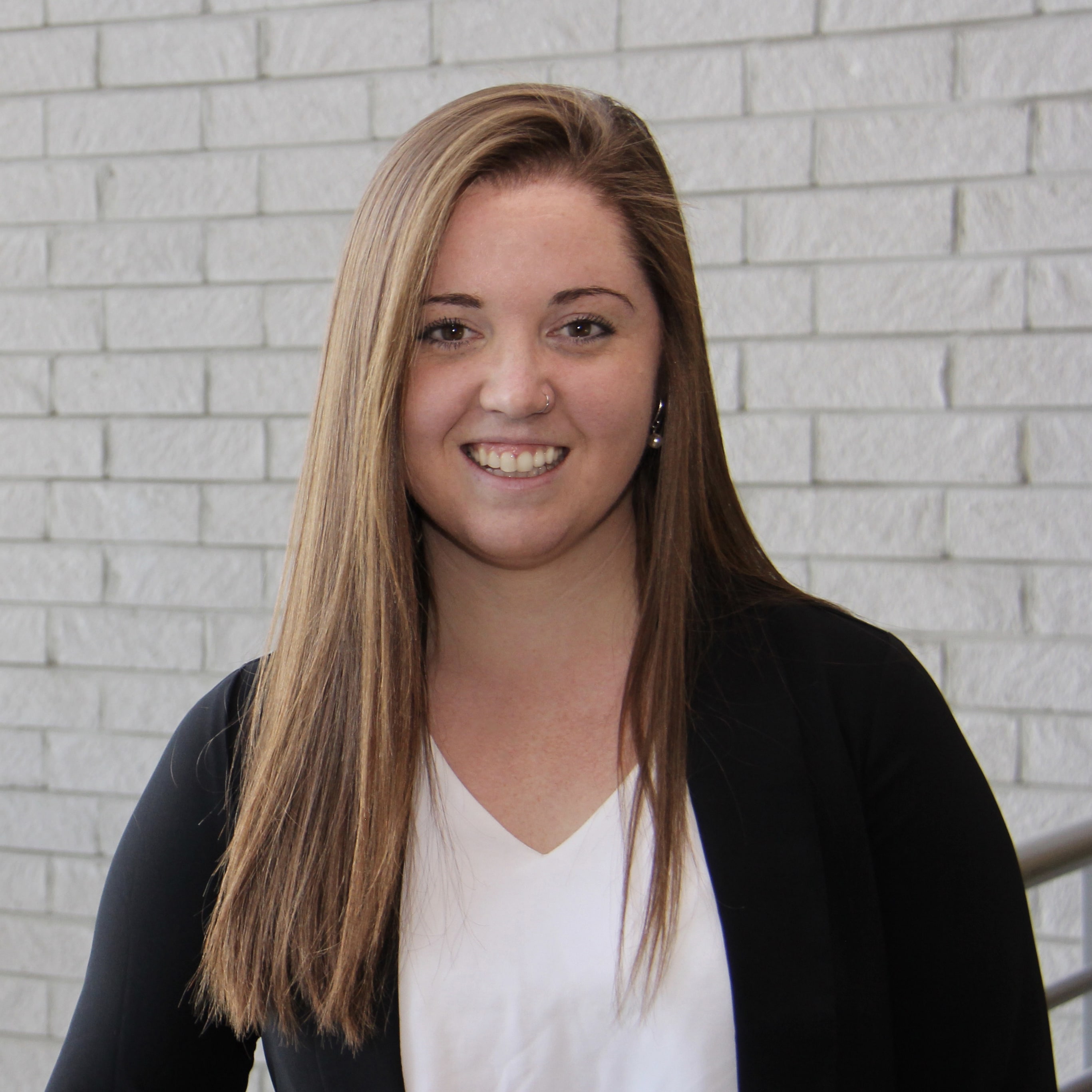
Heather O'Grady, PhD, is an Early Career Research Scientist at the Niagara Health Knowledge Institute (NHKI) and Assistant Professor (Part-Time) in the Department of Health Research Methods, Evidence and Impact at McMaster University. She completed her PhD in Rehabilitation Science, with a specialization in Knowledge Translation, at McMaster University in 2023, followed by a Postdoctoral Fellowship at the NHKI, and was appointed to her first independent research role at the NHKI in October 2025. She leads the Institute's Patient Experience and Engagement in Research Portfolio, building capacity for patient and public engagement in research within the Niagara Region and across Canadian community hospitals.
Dr. O'Grady's research aims to improve the quality, delivery, and implementation of acute and critical care through patient- and family-oriented, embedded health research. Her work spans critical care rehabilitation, informed consent, patient and family engagement, implementation science, and embedded research within learning health systems. Over the past five years she has authored 35 publications, including 15 as first author, in leading journals such as NEJM Evidence, JAMA Network Open, Critical Care, and the Canadian Journal of Anesthesia. Highlights include a systematic review and meta-analysis of leg-cycle ergometry in critically ill patients, simultaneously presented and published at the European Society of Intensive Care Medicine 2024 Meeting (NEJM Evidence, 2024), and a pooled analysis of five international rehabilitation studies examining the sit-to-stand test as a patient-centred functional outcome (Critical Care, 2022).
She leads CONSENT-ICU, an international program of work to improve the informed consent process for patients and families approached about research participation in the intensive care unit, supported by a National Early Career Researcher Award (2026). She also co-led CAN-Measure, a Sepsis Canada-funded, pan-Canadian quality-improvement initiative to standardize training for outcome measure assessors in ICU-based sepsis studies. Her research has been supported by competitive funding from CIHR and other national organizations, including an Interdisciplinary Fellowship from the Canadian Frailty Network, and she is a graduate of the CIHR-funded Sepsis Canada and Life-Threatening Illness National Group (LifTING) Health Research Training Program.
Nationally and internationally, Dr. O'Grady serves on the International Forum for Acute Care Trialists (InFACT) Patient and Public Involvement Working Group, the REMAP-CAP International Patient and Public Involvement Panel, and the Federated Platform Trials Consent and Patient and Public Involvement and Engagement Working Group. At the NHKI, she co-led the formation of the Institute's first Patient and Family Engagement in Research Committee alongside three inaugural patient and family partners, and she co-developed freely available online learning modules that build applied health research capacity among staff and clinicians at community hospitals.
Dr. O'Grady is an active mentor and educator, having supervised or co-supervised more than fifteen graduate, medical, and undergraduate students, with student-led work resulting in peer-reviewed publications and national conference presentations. She also serves on the Board of Directors of Haldimand War Memorial Hospital in Dunnville, Ontario, bridging embedded research and health system governance in a community hospital setting.
