
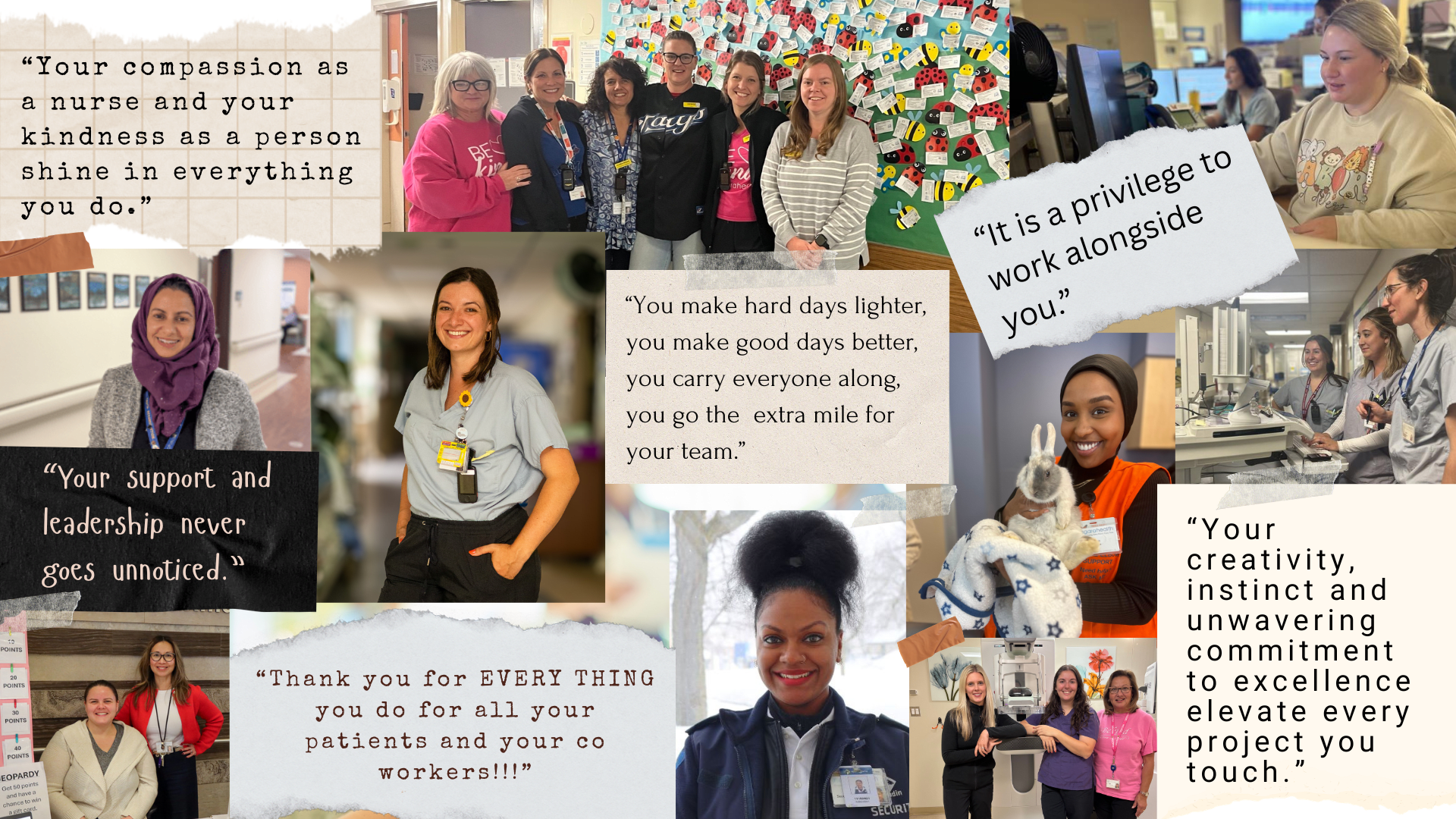
Healthcare has changed dramatically over the past several decades, and much of that progress has been driven by women pushing for greater opportunity, recognition and leadership.
“While healthcare has not always been an equitable space for women, their perseverance and changes in societal attitudes have helped us create a more inclusive and collaborative environment that we continue to build on today,” says Lynn Guerriero, Executive President and CEO, Niagara Health. “Historically underrepresented in leadership, research and decision-making roles, women have come a long way in Canada and right here at home in Niagara.”
Across Niagara Health, that progress is visible in boardrooms, at the bedside, in operating rooms and in the systems that support safe, high-quality care. Women are shaping strategy, influencing culture and redefining what leadership looks like in healthcare.
That evolution is something leaders across the organization recognize.
“International Women’s Day is a time to celebrate the incredible accomplishments of women around the world and here at Niagara Health,” says Simon Akinsulie, Executive Vice-President, Practice, Clinical Support and Chief Nursing Executive. “To recognize their leadership, dedication and the impact they make every single day.
“We are seeing more women shaping strategy, policy and patient care models,” he says.” There is also greater awareness and dialogue around equity, mentorship and sponsorship, which is helping create pathways for the next generation of women leaders.”
This pattern is reflected in clinical leadership. Medicine and surgery, long dominated by men, illustrate how cultural norms are shifting, along with the growing representation of women in leadership and executive leadership roles.
Those who identify as women at NH include:
- 85 per cent of staff
- 100 per cent of midwives
- 33 percent of physicians
- 45 per cent of physician chiefs
- 67 per cent of leadership
- 66 per cent of Executive team
- 53 per cent of Board of Directors
Supportive policies allow women to thrive both professionally and personally.
“There has been tremendous progress for women in healthcare including policies that support remote work, inclusion of designated breastfeeding spaces in our work environment as well as policy changes related to time off for parental leave and improvements to affordable childcare,” says Darlene Venditti, Director, Interprofessional Practice, Ethics and Education.
For Venditti, International Women’s Day is an opportunity to reflect on generational change.
“When I think back to my own family, I consider that my grandmother wouldn’t have had the ability to vote in her lifetime, and my mother - who worked outside the home - struggled with systemic barriers related to the presence of childcare leave and affordable childcare. It is especially meaningful to see how changes have supported women in being able to evolve within family and workplace roles. At the same time, it is a reflection on the road that lies ahead and ensuring that we continue the path of progress forward,” she says.
Equity informs how teams collaborate and make decisions. This is something Brandon Batey, Manager of Quality and Patient Safety, recognizes.
“What I’ve learned most from working with women leaders and colleagues in healthcare is how valuable diverse perspectives are in decision-making,” he says. “A colleague once shared wisdom that I continue to use: ‘Whose perspective might be missing?’”
“Gender equity in organizations and the broader society is critical,” says Emile Penner-Cloutier, Manager, Human Resources and Organizational Development. “Because of how people perceive and interpret their worlds differently, multiple perspectives are incredibly important to develop a well-rounded perspective. Relatability is the entry way towards solutions.”
Ryan Blodgett, Clinical Supervisor in Addiction Services, insists gender equity goes much further than ensuring women’s voices are heard. He says it’s foundational to a successful healthcare organization.
“For staff, it ensures a diverse range of perspectives, talents and leadership styles at the table. For patients it’s even more important – having a diverse workforce means a better understanding of the unique health journeys of our patients.”
Culture shifts are felt most deeply in the everyday moments. It is also in the quiet ways women support one another. This spirit of collaboration and empathy is recognized across the organization.
“I’m grateful to work alongside so many talented, compassionate women who strengthen our organization every day,” says Robert Cosby, Director, Patient Experience. “From frontline staff to managers, directors and Patient Partners, so many women model what compassionate, patient-centred care looks like. Their dedication to improving experiences for patients and families, even during challenging times, continues to motivate me in my own work.”
Equity also shapes research and innovation, creating new opportunities for women in science - an area where women have historically been underrepresented.
“One of my greatest priorities is mentorship and capacity building,” explains Dr. Jennifer Tsang, Executive Director and Chief Scientist, Niagara Health Knowledge Institute (NHKI).
“In July, we will welcome Dr. Olivia Haun as our inaugural Ministry of Health–funded Clinician Investigator Program trainee. This is monumental, as there are currently no community hospitals in Ontario with dedicated funding for this type of trainee position.”
Looking ahead, Dr. Tsang sees opportunity.
“I would like to see continued investment in women researchers in community hospitals – not only in mentorship, but in protected time, funding access and leadership opportunities that allow them to build independent, competitive research programs. It is about ensuring that women in healthcare see leadership, research and innovation as spaces where they fully belong.”
Through expanded clinical research programs, many patients - including women - now have access to clinical trials – opportunities that were previously unavailable in the Niagara region. At its core, equity shapes every interaction with patients and families.
Niagara Health is committed to building on progress, ensuring that future generations can lead, innovate and care in a system defined by inclusion, respect and opportunity for all.
From all of us at Niagara Health – Happy International Women's Day!
CELEBRATING THE WOMEN OF NIAGARA HEALTH: A Q&A with three women who are helping shape the organization.
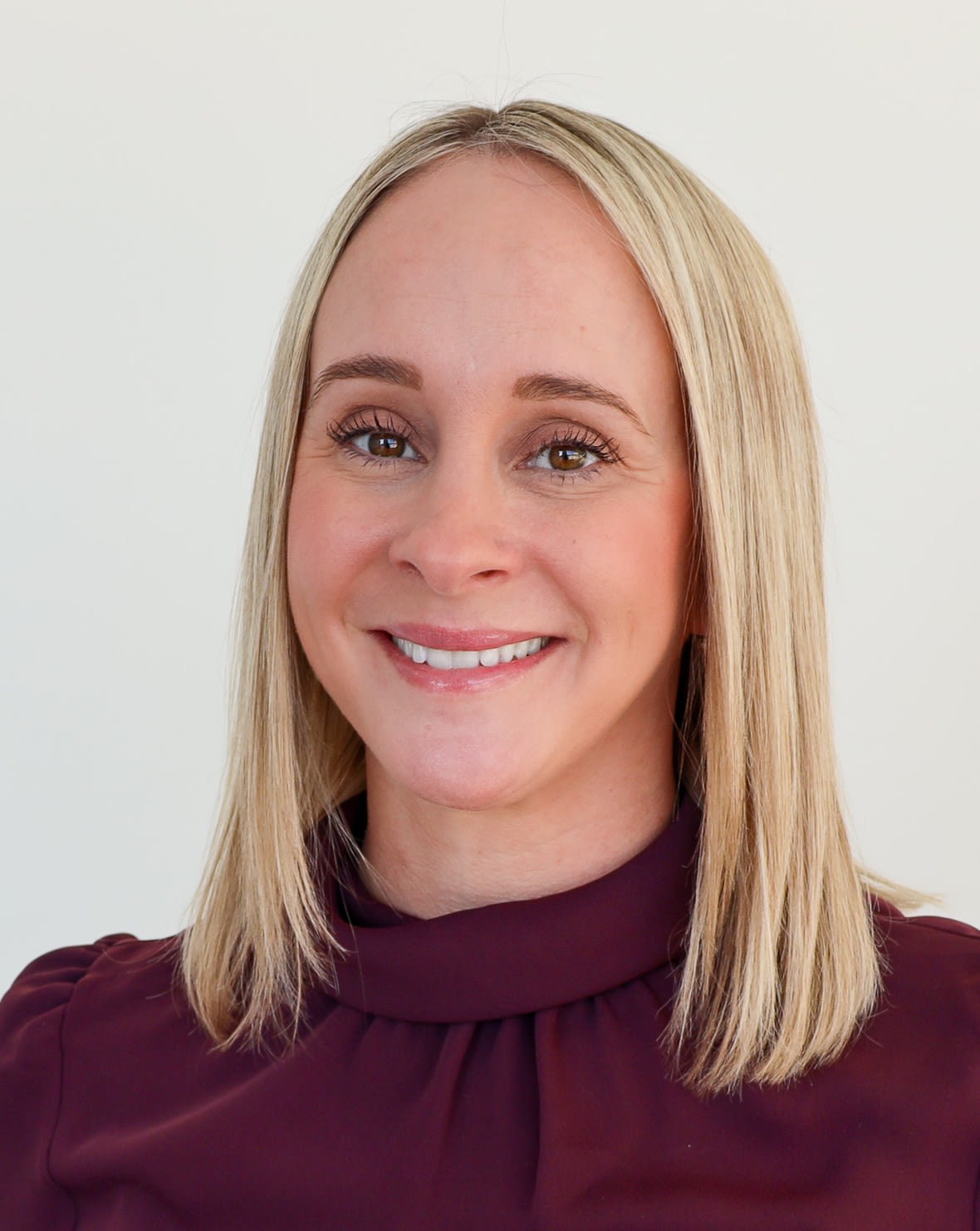
“Over the last several years, there has been a significant increase in females stepping into leadership roles across our organization. I am proud to be one of the five female Chiefs for Niagara Health,” says Dr. Jennifer Robert, Hospitalist and Chief of Primary Care.
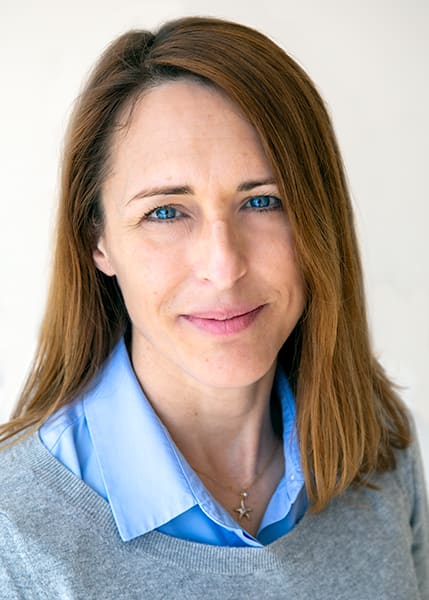
“After 20 years in practice, I can confidently say that being a woman in surgery is not a limitation, it is a strength,” Dr. Helen Caetano, Niagara Health’s first woman Chief of Surgery.

“What I enjoy most about working at Niagara Health as a woman is the way women support one another quietly, instinctively and powerfully,” says Natalie Doucet, Director of Women and Babies, Neonatal Intensive Care Unit and Children’s Health.
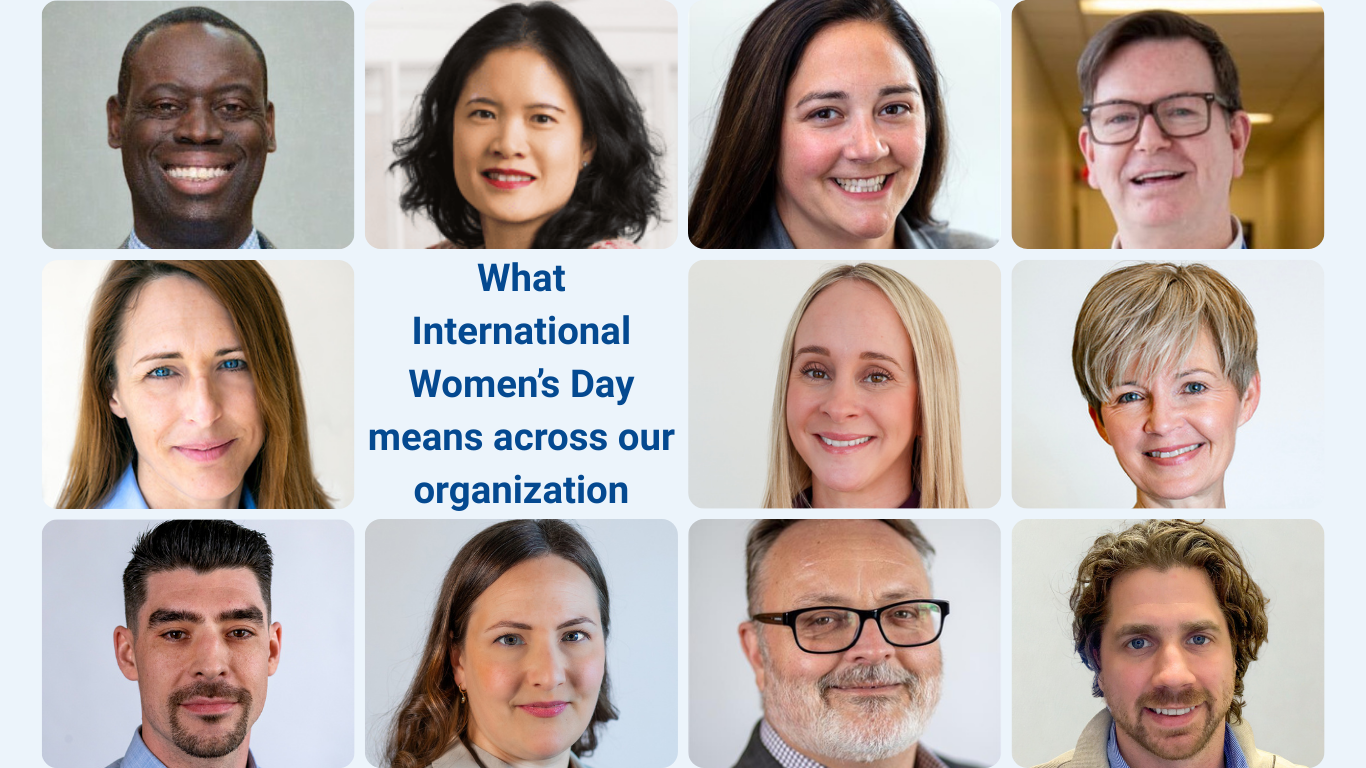
Photo from top left to bottom right: Simon Akinsulie, Executive Vice-President, Practice, Clinical Support and Chief Nursing Executive; Dr. Jennifer Tsang, Executive Director and Chief Scientist, Niagara Health Knowledge Institute (NHKI); Natalie Doucet, Director of Women and Babies, Neonatal Intensive Care Unit and Children’s Health; Robert Cosby, Director, Patient Experience; Dr. Helen Caetano, Chief of Surgery; Dr. Jennifer Robert, Hospitalist and Chief of Primary Care; Lynn Guerriero, Executive President and CEO; Ryan Blodgett, Clinical Supervisor in Addiction Services; Darlene Venditti, Director, Interprofessional Practice, Ethics and Education; Emile Penner-Cloutier, Manager, Human Resources and Organizational Development; Brandon Batey, Manager of Quality and Patient Safety.
CELEBRATING THE WOMEN OF NIAGARA HEALTH: We invited our team to share their recognition for the women they work with. With more than 1,800 visits to our Kudos Board, here is what some had to say:
"In every breath supported, every ventilator managed and every patient reassured, you demonstrate strength, intelligence and heart. Your calm presence and expertise make a "breath-taking," immeasurable difference. Happy IWD!!!"
"Thank you for being such a rock star leader, you pave the way for women everywhere and do it in such a genuine, caring and sincere way with a smile on your face every day! Thank you for all that you do."
"Thank you for always giving us opportunities to be seen and heard. This is just one of the many ways that you empower the front line to strive in our roles. Happy International Women's Day!"
"Your mentoring, kindness, no-nonsense practical approach to nursing is a gift to all your co-workers and patients. So grateful for your delightful presence and the joy you bring."
"You brighten my day and brighten the day of all of the patients you work with. Thank you for being you."
"Your light, energy, kindness and compassion are a gift to our patients and our team."
Women pioneers in healthcare throughout Canada’s history
Jeanne Mance (1645): A nurse and settler who founded Canada's first hospital, Hôtel-Dieu de Montréal, establishing an early legacy of female leadership in healthcare.
The Grey Nuns (1737): Founded by Marie-Marguerite d’Youville, this order established the first network of social and health services in Western Canada, providing care regardless of a patient's ability to pay.
Dr. Emily Stowe (1867): After being denied entry to Canadian medical schools, she studied in the US and became the first woman to practice medicine in Canada.
Jennie Trout (1875): While Dr. Emily Stowe practiced first, Trout was the first woman legally licensed to practice medicine in Canada after passing her exams at the College of Physicians and Surgeons of Ontario.
Dr. Elizabeth Bagshaw (1932): A courageous advocate for women’s health, she served as the medical director of Canada’s first (and then-illegal) birth control clinic in Hamilton, Ontario.
Nursing Sisterhood (WWI/WWII): Over 2,800 Canadian women served as "Bluebirds" (nursing sisters) in WWI, establishing Canada's reputation for elite military field medicine.
Dr. Lucille Teasdale (1950s): One of the first female surgeons in Quebec, she spent her life performing thousands of surgeries in Northern Uganda, often under fire, and is considered a global humanitarian icon.
Dr. Brenda Milner (1950s–Present): Known as the "founder of neuropsychology," her research at the Montreal Neurological Institute revolutionized our understanding of human memory and the brain.
Dr. Nadine Caron (2000s): Canada’s first female First Nations general surgeon. She is a leader in addressing health disparities for Indigenous peoples and founded the UBC Centre for Excellence in Indigenous Health.
Dr. Mona Nemer (2017–Present): A leading cardiac researcher who currently serves as Canada’s Chief Science Advisor, ensuring that government policy is informed by rigorous medical and scientific evidence.
(Sources: Canadian Medical Hall of Fame (CMHF); Grey Nuns of Montreal - Official History; Women and Gender Equality Canada - Women of Impact; Parks Canada - National Historic Persons; The Canadian Encyclopedia; The Neuro (Montreal Neurological Institute); UBC Faculty of Medicine; Office of the Chief Science Advisor of Canada; Veterans Affairs Canada.)
Key 2025-2026 gender equity statistics in Canada
Women in Canada earned roughly 89 cents for every one dollar earned by men in 2024-2025. The gap is wider for women of colour, Indigenous women, and those with disabilities. This is progress from 75 cents in 1981.
Women hold 47 per cent of all jobs, but only 36 per cent of managerial roles and less than 29 per cent of senior management roles.
Women now represent the majority of recent postsecondary graduates. By 2022, 4.4 million women held a bachelor's degree compared to 3.7 million men. In 2016, 39 per cent of STEM graduates aged 25 to 34 were women.
The proportion of Indigenous women in the workforce with a bachelor's degree or higher doubled between 2007 and 2022, rising from 13 per cent to 25 per cent.
Over 1.5 million women live in poverty. However, poverty rates for single-parent households headed by women declined from 36 per cent in 2015 to 17 per cent in 2021.
Women make up 29 per cent – 30 percent of the House of Commons and 48.6 per cent of federal Cabinet positions in 2021. Canada only ranks 71st globally in political representation as of late 2025.
In 2022, 184 women and girls were killed by violence.
(Sources: Canadian Women’s Foundation; Stats Canada)
