A full system approach to stroke care in Niagara
At Niagara Health, we are building toward a Centre of Excellence in Stroke at the new South Niagara Hospital when it opens in 2028. That work is already well underway.

Share This Page
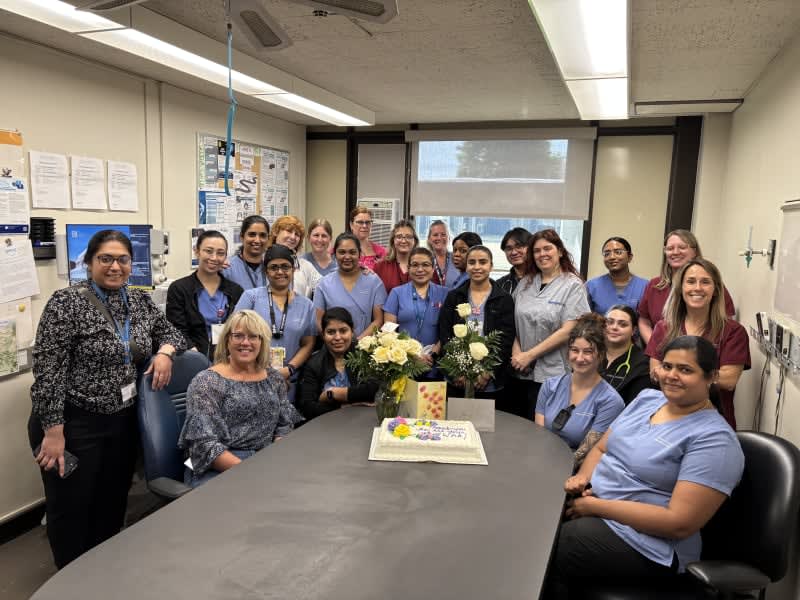
At Niagara Health, we are building toward a Centre of Excellence in Stroke at the new South Niagara Hospital when it opens in 2028. That work is already well underway.

If you've driven past the South Niagara Hospital recently, you've probably noticed something different.

Healthcare is personal. Most of us only interact with the hospital system when something serious is happening in our lives or in the lives of people we love. That makes the information we rely on especially important.

If you’ve visited an Emergency Department lately, you’ve likely felt what many people across the province are experiencing: long waits, busy waiting rooms and uncertainty about when you’ll be seen. As a physician who has worked in Niagara’s Emergency Departments for years, I understand how stressful this can feel — and I want to explain what’s happening behind the scenes, why waits can be long and how Niagara Health is working to make the experience better.
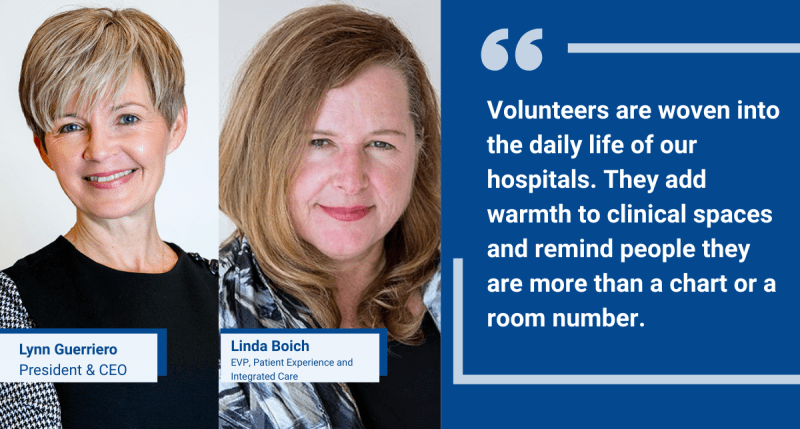
Across our sites, we have 665 volunteers, and their impact shows up in ways that don’t always make the headlines but are felt every day by patients, families and our teams.

In November, holiday plans feel festive. By mid-December, those same plans can feel like a group project you didn’t agree to. Understanding why this season feels harder can help people recognize what’s happening sooner and respond with a bit more self-compassion.
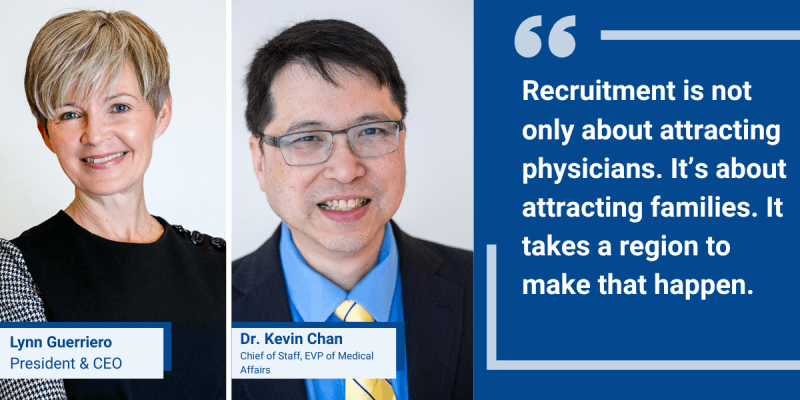
Niagara Health has made real progress recruiting physicians in recent years. Twenty-eight new doctors and surgeons have joined our teams, including three new emergency physicians and new colleagues in anesthesiology and internal medicine. These hires strengthen care for our patients. But we still have more work to do.

Niagara Health President and CEO Lynn Guerriero recognized by McMaster University’s DeGroote School of Business with the Gil Bennett Gold Standard Award.
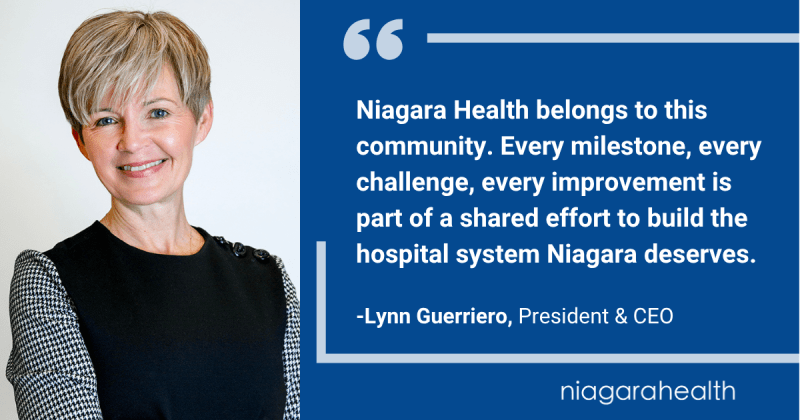
A crucial part of transforming how Niagara Health delivers care is managing patient flow, Lynn Guerriero writes.
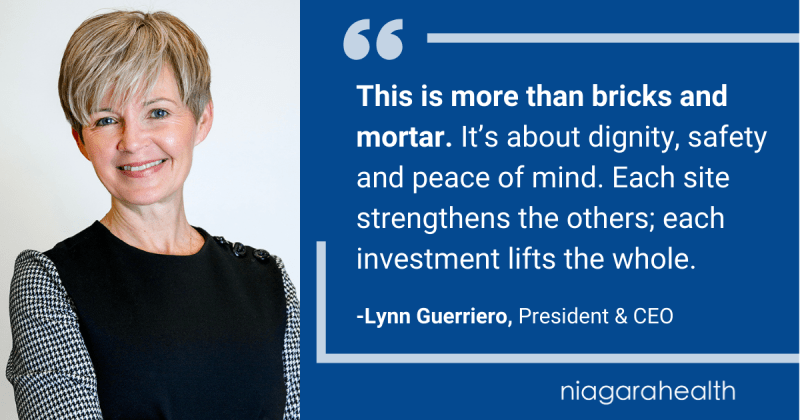
Every family in Niagara knows how important it is to get the right care, close to home, when they need it most. The future of that care — faster, stronger, and more connected — depends on decisions many municipal councils will make in the coming weeks.
